





Requirements to live in a sober living home typically include completion of medical detox and a primary treatment program prior to admission. Residents are expected to demonstrate a clear commitment to abstinence and to comply with random drug testing under zero-tolerance substance use policies. Most sober living homes also require participation in ongoing recovery programming, regular attendance at support group meetings, and adherence to house rules such as curfews and shared household responsibilities. Understanding these requirements can help individuals prepare for this transitional step in recovery.
Age and Basic Eligibility Standards for Admission

Beyond age, you must meet functional cognitive eligibility standards. This means you can independently perform daily activities like bathing, dressing, and eating without assistance. You’ll need a diagnosed substance use disorder and demonstrate genuine intent to remain abstinent. Homes assess whether you can integrate into a shared living environment and actively participate in recovery programming. Research shows that SLHs emphasize involvement in 12-step groups and social support as core components of their recovery model. Most facilities require you to review and sign a policy handbook that outlines resident rights and responsibilities before admission. If you require 24-hour medical care, staff will likely refer you to higher-intensity treatment options.
Completing Detox and Primary Treatment Before Entry
Before you can move into most sober living homes, you’ll need to complete medical detox to guarantee your body has safely cleared substances and acute withdrawal risks have passed. Many programs also require you to finish a primary treatment program, whether inpatient rehab or intensive outpatient, so you’re entering with foundational recovery skills and stabilization. These prerequisites help sober living environments remain peer-support settings focused on your ongoing growth rather than crisis management. Once accepted, you’ll be expected to remain sober and comply with drug testing as a condition of your continued residency. For the best recovery outcomes, experts recommend staying at least six months to build the stability and skills needed for long-term sobriety.
Why Detox Comes First
Although you might feel ready to jump straight into a sober living environment, most homes require proof that you’ve completed medical detox or inpatient rehabilitation before they’ll grant admission. This requirement guarantees you’ve achieved stabilized withdrawal symptoms and obtained medical clearance for occupancy.
Detox comes first because it confirms your physical readiness to participate in structured recovery programming. According to SAMHSA, homes that enforce these entry requirements see 68% higher long-term sobriety rates among residents. These homes provide a safe transition space after inpatient rehab, allowing you to gradually reintegrate into society while maintaining the support you need.
When you’ve completed detox, you’re better equipped to follow house rules, attend mandatory meetings, and maintain the curfews that sober living demands. You’re also less likely to compromise the drug-free environment that safeguards everyone’s recovery. Completing detox also prepares you to engage in the 12-step recovery meetings, didactic lectures, groups, and individual therapy that are integral to sober living programs. This foundational step isn’t a barrier, it’s your launching point for sustainable sobriety.
Primary Rehab Prerequisites
When you’re preparing to enter a sober living home, you’ll need to demonstrate that you’ve completed a formal addiction treatment program first. Completion of primary care establishes the foundation you need before shifting to this less structured environment. Rehab equips you with essential coping strategies, relapse prevention techniques, and recovery tools that support your success in sober living.
Most homes require proof that you’ve maintained a stable recovery period, typically 30 days or more of documented sobriety. If you haven’t reached this threshold, you may need to undergo a drug evaluation and complete recommended treatment before gaining admission. As part of the admission process, you should also expect to undergo a background check and drug screening to verify your current sobriety status.
This prerequisite isn’t arbitrary. It verifies you’ve developed the skills necessary to thrive in a community-based setting while continuing your recovery journey independently. Sober living homes serve as a bridge between inpatient treatment and independent living, making prior rehabilitation essential for a successful transition.
Zero-Tolerance Policies for Alcohol and Drug Use

When you enter a sober living home, you’ll agree to a zero-tolerance policy that includes random drug and alcohol testing through urinalysis, breathalyzers, or saliva screens to help maintain accountability. If you test positive or refuse a test, you’ll face immediate eviction, a firm boundary designed to protect both your recovery and the safety of your housemates. You’re also required to report any prescription medications to your house manager and store them in a locked safe, ensuring all substances are monitored and taken only as prescribed. Additionally, romanticizing drug talk is prohibited, as conversations that glorify past substance use can undermine recovery efforts and trigger cravings for others. This strict policy helps foster accountability and commitment among all residents, creating an environment where everyone supports each other’s journey toward lasting sobriety.
Random Drug Testing Requirements
Because sober living homes prioritize creating a safe, substance-free environment for all residents, random drug testing serves as a cornerstone of their accountability framework. You’ll typically undergo urine drug screens, breathalyzer tests, or oral fluid testing at unpredictable intervals. Staff oversight responsibilities include administering tests based on suspicion or through randomized selection, ensuring no one can anticipate when screening will occur. Visual drug tests, including strip searches may be performed as part of the screening process.
Specimen collection procedures often require you to provide a sample within 90 minutes of notification, failure to comply counts as a refusal. You may also face mandatory testing after overnight passes or emergency absences to verify continued sobriety. If you’re struggling, talking with the house manager before getting caught on a drug screen is advised, as coming forward proactively may help you get back on the right track.
Research shows homes enforcing strict testing protocols experience approximately 42% lower relapse rates. This evidence-based approach isn’t punitive, it’s designed to protect your recovery and support everyone’s commitment to lasting sobriety.
Immediate Eviction Consequences
Failed drug tests carry swift, life-altering consequences in sober living environments. When you violate substance policies, zero tolerance enforcement means you’ll face removal without exceptions, regardless of how long you’ve lived there or what substance was involved.
Under immediate eviction procedures, you’ll receive a three-day notice specifying your violation and exact termination date. Washington law requires only one day for compliance in drug-free housing when you’ve been a resident under two years. You’ll forfeit any remaining rent payments. This strict policy applies equally to residents and visitors, as bringing prohibited substances onto the property is grounds for immediate action.
However, this isn’t the end of your recovery journey. Many facilities offer referrals to higher levels of care following eviction. Some states, like Colorado, require relapse plans that outline pathways for potential return. These measures recognize that setbacks happen while maintaining the abstinence environment that produces 42% lower relapse rates.
Prescription Medication Storage Rules
Prescription medications require careful management in sober living homes, where secure storage protects both your recovery and the recovery of fellow residents. You’ll need to store all medications in locked containers or designated areas, with pharmacy labels clearly displaying your name, dosage, and prescriber information.
Most facilities maintain approved medication lists and require you to disclose every prescription at intake. Staff dosing oversight applies to controlled substances, with documentation of each dose you take. Any narcotic or controlled medications must have prior written approval from facility leadership before you can bring them into the home.
| Storage Requirement | Your Responsibility |
|---|---|
| Locked container | Secure all prescriptions daily |
| Proper labeling | Verify pharmacy information remains visible |
| Refrigerated meds | Use sealed, labeled containers with expiration dates |
Failure to follow these protocols typically triggers serious consequences under zero-tolerance policies, so communicate openly with staff about any medication changes.
Random Drug Testing and Sobriety Verification Requirements
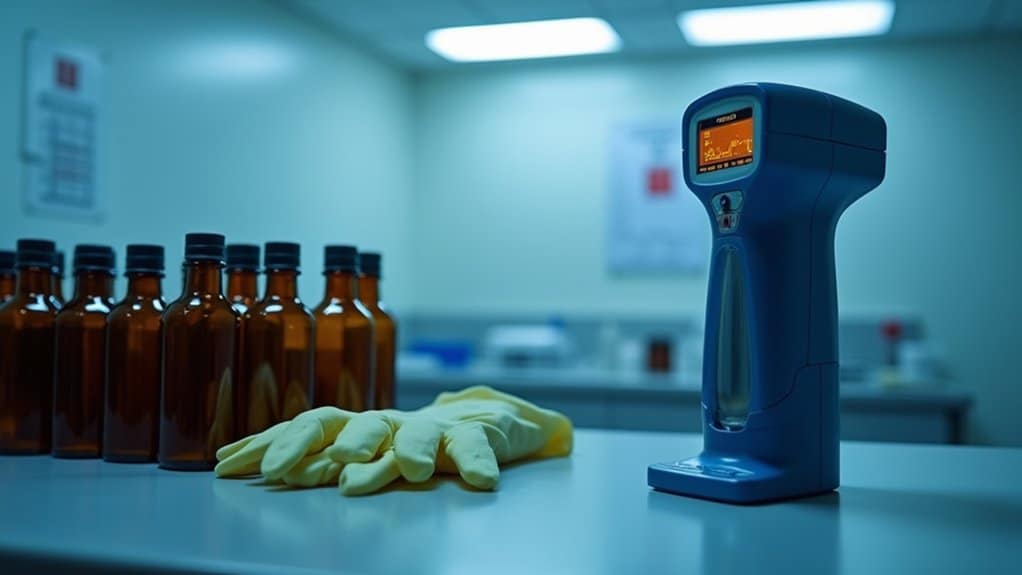
When you enter a sober living home, you’ll quickly discover that random drug testing serves as one of the most consistent requirements across nearly all facilities. These tests, including urine screens, breathalyzers, and oral fluid tests, help maintain a drug-free environment while providing early detection of potential relapse.
Random drug testing isn’t about punishment, it’s about protecting your recovery and catching warning signs before relapse takes hold.
Key testing policies you should understand:
- Refusal consequences: Declining a test typically counts as a positive result, leading to possible discharge
- Tampering detection: Diluted or altered specimens trigger the same consequences as failed tests
- Confidentiality requirements: Your results remain protected, shared only with authorized staff and treatment providers
- Cost considerations: Testing expenses may be included in your housing fees or billed separately
If you test positive, facilities often balance accountability with supportive intervention, adjusting your treatment plan rather than immediately resorting to expulsion.
Mandatory Participation in Recovery Programs and Support Groups
Beyond maintaining sobriety through testing, you’ll need to actively engage in structured recovery programming, a cornerstone requirement at virtually every sober living facility.
Your case management process begins with an individualized treatment plan developed within 10 days of admission. This plan contains goal-oriented, measurable objectives and receives updates every 90 days to reflect your progress. You’ll participate in mandatory group counseling sessions that foster peer support and accountability while building essential recovery skills.
External support groups like AA or NA require your regular attendance, demonstrating stability in community-based recovery. Weekly house meetings aren’t optional, they’re crucial for maintaining accountability and fostering connection with fellow residents.
Your ongoing recovery planning may include vocational training and educational services, particularly in long-term programs. These components prepare you for independent living while sustaining your recovery journey.
Curfews, Blackout Periods, and Daily Conduct Expectations
Sober living homes consistently enforce curfews and conduct rules to create the stability you need during recovery. You’ll typically follow weekday curfews between 9:30, 11:00 p.m., with weekend hours extending to midnight or later. During your initial 30-day blackout period, overnight passes aren’t permitted, helping you establish routines before gaining more freedom.
Daily conduct expectations include:
- No alcohol, drugs, or misused prescriptions on the premises
- Respecting relationship boundaries by avoiding other residents’ rooms and in-home romantic activity
- Limiting recreational activities like vaping to designated outdoor areas
- Maintaining quiet hours and using respectful language
These structured guidelines serve a purpose, homes with strict enforcement show approximately 42% lower relapse rates. As you progress through phases, you’ll earn expanded privileges that prepare you for independent living.
Financial Obligations and Employment Responsibilities
Financial stability forms a core requirement for sober living homes, with 85% of facilities expecting monthly rent payments that range from $450 to $1,500 depending on location and amenities. You’ll also need to budget for safeguard deposits between $200 and $500, plus utilities and potential program fees.
Most homes require you to maintain employment or demonstrate financial means to cover expenses. Many facilities offer job training, career workshops, and budgeting guidance to help you build independence. Some provide tax assistance and connect you with employment resources to reduce financial strain.
If you’re struggling financially, don’t lose hope. Sliding-scale fees, payment plans, and grants from SAMHSA or HUD can help. Homes offering structured financial aid show 67% higher sobriety success rates, proving support systems make a meaningful difference.
Household Chores and Daily Living Accountability
Daily chores might seem minor compared to the broader challenges of recovery, but they consistently play a critical role in building the discipline and accountability you’ll need for long-term sobriety. Shared responsibilities create structure while fostering teamwork and mutual oversight among residents.
You’ll typically encounter rotating chore assignments that include:
- Kitchen duties like running the dishwasher, wiping counters, and emptying trash daily
- Bathroom maintenance including restocking supplies and weekly deep cleaning
- Common area upkeep such as dusting, straightening furniture, and vacuuming
- Floor care involving daily sweeping and weekly mopping
House managers inspect completed tasks, and incomplete chores may result in fines or loss of privileges. This accountability system mirrors real-world expectations you’ll face after moving to independent living. You’re developing emotional regulation, stress management, and life skills essential for sustained recovery.
Safety Standards and State Licensing Regulations
Every reputable sober living home must meet strict safety standards and licensing regulations that protect you during recovery. Building code compliance guarantees the home maintains structural integrity, proper electrical systems, and adequate plumbing. You’ll find smoke detectors, fire extinguishers, and clear exit routes throughout the residence.
Fire safety inspections verify the home doesn’t exceed maximum occupancy limits and prohibits sleeping in garages or temporary structures. Many states require homes to follow National Alliance for Recovery Residences standards, which establish minimum requirements for healthy recovery housing.
You can expect regular inspections that verify ongoing compliance with sanitation, safety, and operational standards. Homes affiliated with state networks must maintain proper documentation and follow a code of ethics. These regulations create the secure, stable environment you need to focus on your recovery journey.
Frequently Asked Questions
Can I Bring My Prescription Medications to a Sober Living Home?
Yes, you can typically bring your prescription medications to a sober living home, but you’ll need to follow specific medication policies. You should disclose all prescriptions at intake, including dosage and prescriber information. Most homes require proper storage procedures, like keeping medications in a locked container. Be aware that certain medications, particularly MAT drugs or benzodiazepines, may face restrictions. Contact your chosen home beforehand to understand their requirements and facilitate a seamless move.
Are Overnight Guests Ever Allowed at Sober Living Residences?
Most sober living homes don’t allow overnight guests, with roughly 75% enforcing complete bans to protect your recovery environment. You’ll find the visitors’ policy typically requires advance approval, limits guests to common areas, and sets a guests’ curfew around 7-8pm. If you need exceptions, you’ll usually need to request formal permission from house leadership. Understanding these boundaries helps you focus on your healing journey while maintaining meaningful connections.
What Happens if I Relapse While Living in a Sober House?
If you relapse while in a sober living home, you’ll face relapse consequences that vary by facility. Some sober living policies enforce zero-tolerance rules resulting in immediate eviction, while others offer graduated responses based on severity. Being honest about your relapse typically gives you a better chance at a short suspension rather than permanent removal. You may need to complete detox, increase meeting attendance, and undergo regular drug testing before returning.
Can Sex Offenders Be Admitted to Sober Living Programs?
Most sober living homes don’t have universal restrictions on sex offenders, as federal mandates don’t explicitly bar admission. However, individual programs set their own policies based on community safety and resident comfort. You’ll need to disclose your status during screening, as transparency is essential. Some specialized programs for sex offenders in recovery do exist, combining sobriety support with compliance requirements. Contact facilities directly to find one that accommodates your specific situation and recovery goals.
How Many Nights per Week Must I Sleep at the Residence?
You’ll typically need to sleep at the residence at least 5, 6 nights per week to maintain your residency status. Most sober living homes require this consistency because it supports your recovery routine and accountability. You’ll also encounter strict curfew enforcement and mandatory group attendance as part of daily expectations. If you need an overnight pass, you’ll usually need advance approval, so communicate openly with staff about any scheduling conflicts.