
Crisis Intervention
Set Aside Prayer and Other AA Prayers Explained
What the set aside prayer asks for, where it came from, when people say it, and how it compares with the Serenity Prayer and the Step prayers in AA

What the set aside prayer asks for, where it came from, when people say it, and how it compares with the Serenity Prayer and the Step prayers in AA

How It Works explained: what Chapter 5 of the AA Big Book says, why meetings read it aloud, the ABCs, and how it guides the Fourth Step inventory.

What acceptance is the answer on page 417 of the Big Book means, who wrote it, and how to practice acceptance in early sobriety without giving up on change.

The AA promises from the Big Book, what each one means, why they appear in the Ninth Step section, and how people in recovery read them today.

The AA Preamble read at the start of meetings, what each line means, where it came from, and what it says about membership, money and outside issues.

What the 13th step in AA means, why newcomers are at risk, how to spot it in meetings, and what members and groups can do to keep each other safe.

Signs of a high functioning alcoholic, why the problem is easy to miss when work and family seem fine, the health risks, and when to look for help.

Wet brain signs to know, from confusion and poor balance to memory loss, what causes Wernicke-Korsakoff syndrome, and when it needs emergency care.

Sober living cost ranges from $500 to $2,500 per month. Learn what shapes your price and how to budget for move-in fees.

Sober living housing costs are rarely covered by health insurance, but clinical services during your stay may qualify. Learn what to ask.

Pay for sober living without insurance using savings, family help, loans, scholarships, and sliding-scale options. Compare your best choices here.

Holding boundaries in recovery: learn to set clear, consistent limits that protect your well-being without slipping into control.

Supporting versus enabling addiction: learn the clear difference so you can help your loved one recover without shielding them from consequences.

Living with a spouse in early recovery: practical guidance to rebuild trust, set boundaries, and navigate each stage with confidence.

Rehab aftercare at home: practical steps to prepare your space, set house rules, and support your loved one’s recovery safely.

A lone relapse doesn’t mean treatment failed. Learn why setbacks are common in recovery and how to re-engage with your provider.

Crisis plan for addiction recovery: name your threats, spot warning signs, and follow ready coping steps and support contacts when distress hits.
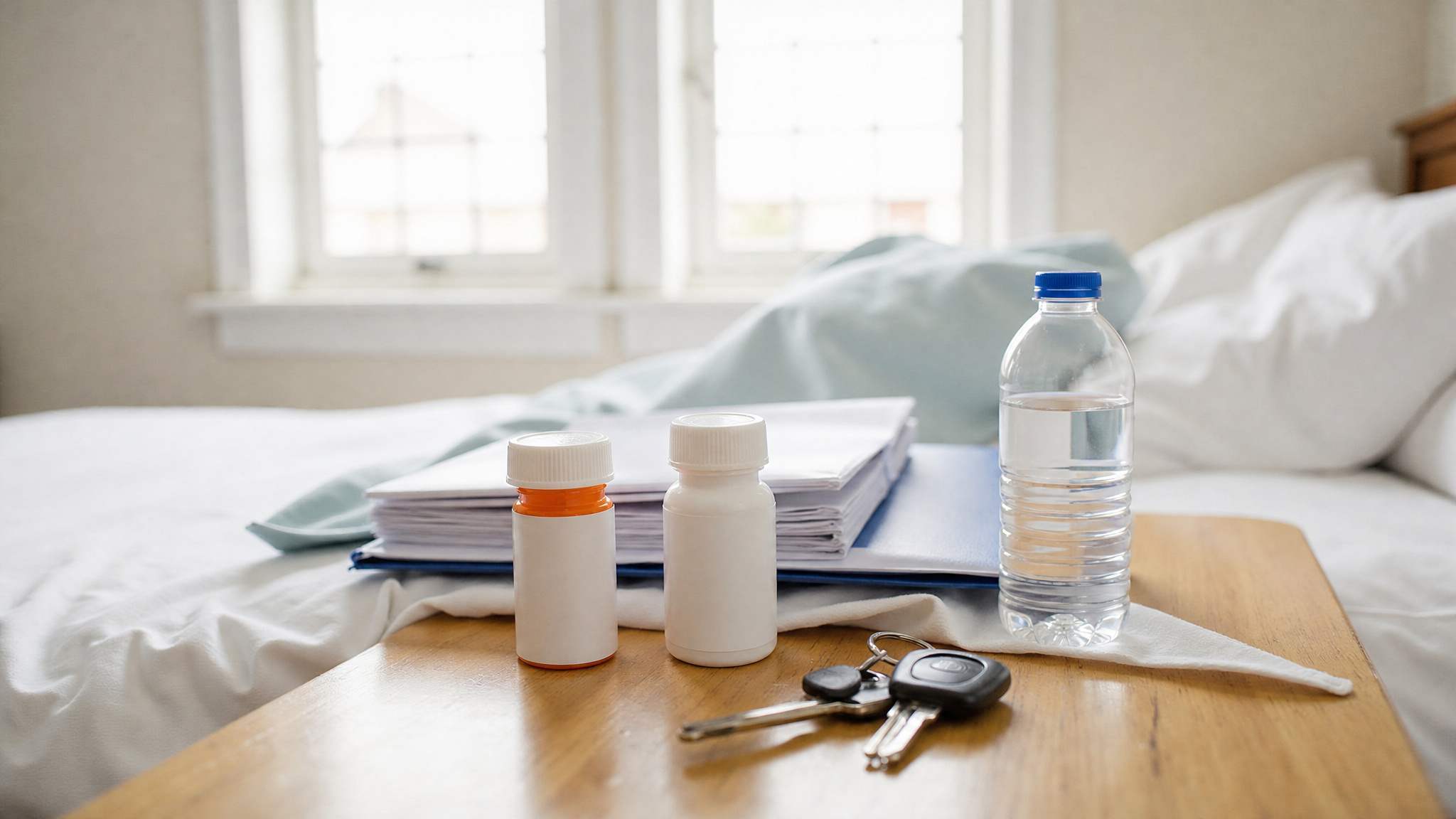
Sober living homes and Suboxone: learn which residences permit daily use with a valid prescription and how policies vary by state.

Sober living homes allow prescribed antidepressants. Learn the intake, storage, and prescription rules to confirm before you move in.

Early sobriety fatigue explained: learn the physiological reasons you feel drained and what to expect as your body recovers.

Sober living house packing list: know exactly what to bring and what to leave behind before move-in day.

Sober housing length: aim for at least 6 months. Research shows 6 months or longer leads to better recovery outcomes at 12 months.
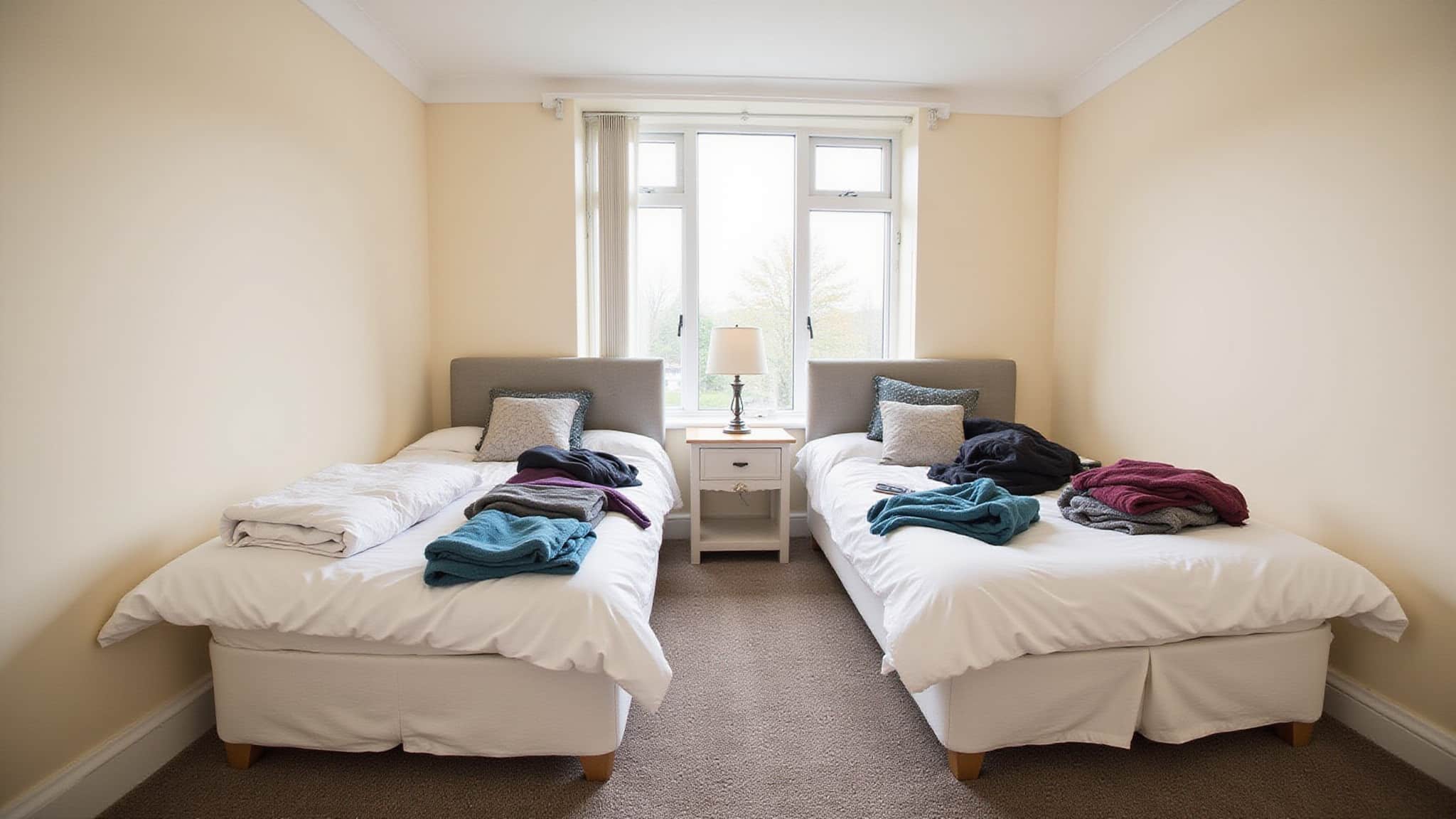
Roommate conflict in sober living: learn practical steps to address issues early, communicate calmly, and protect your recovery.

Sober living curfew hours typically run 9:00 to 11:00 PM, later on weekends. Learn how phase-based schedules work to pick the right home.
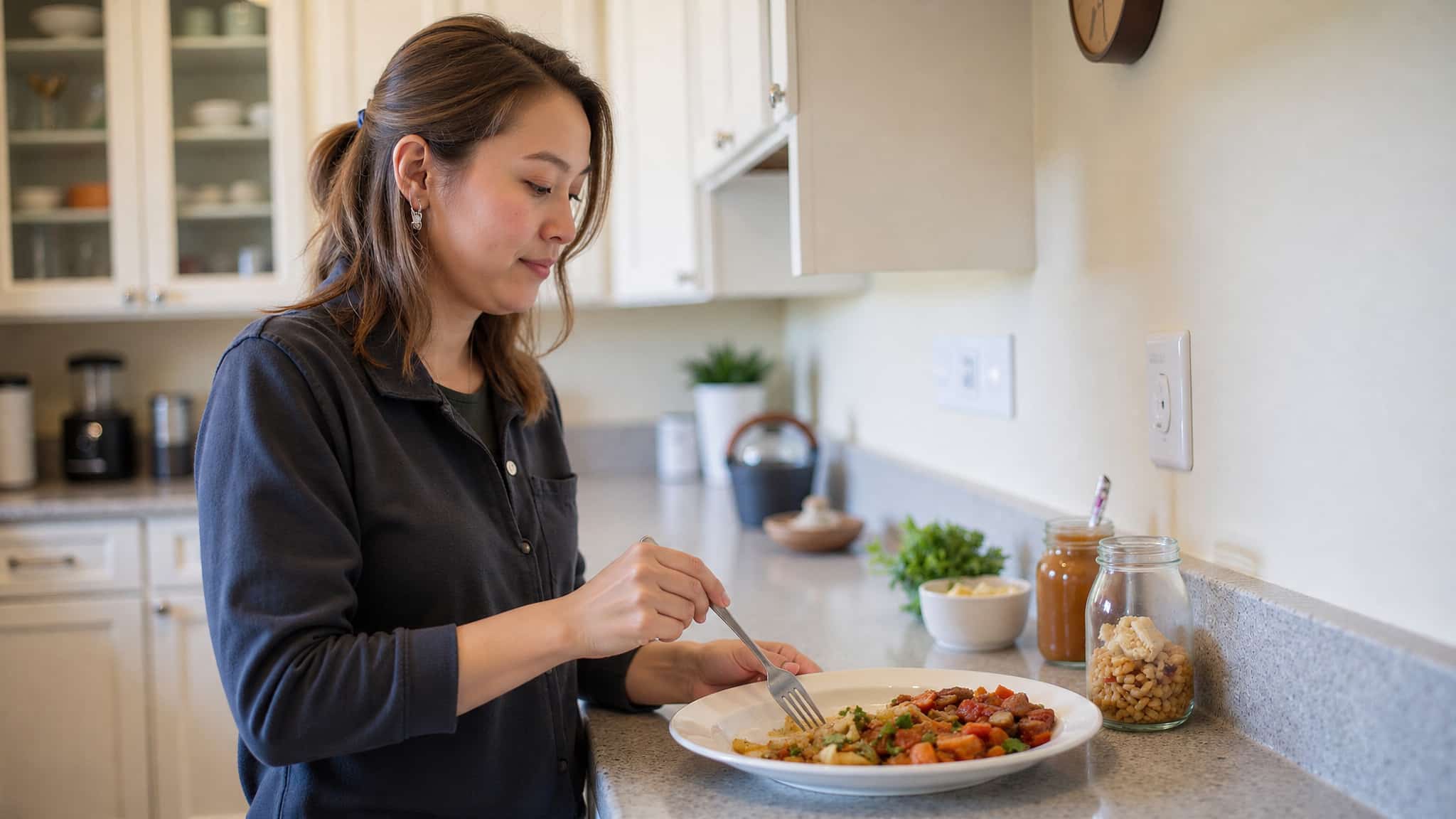
Sober living homes rarely offer free warm meals. Learn what food costs to expect and which questions to ask before choosing a home.
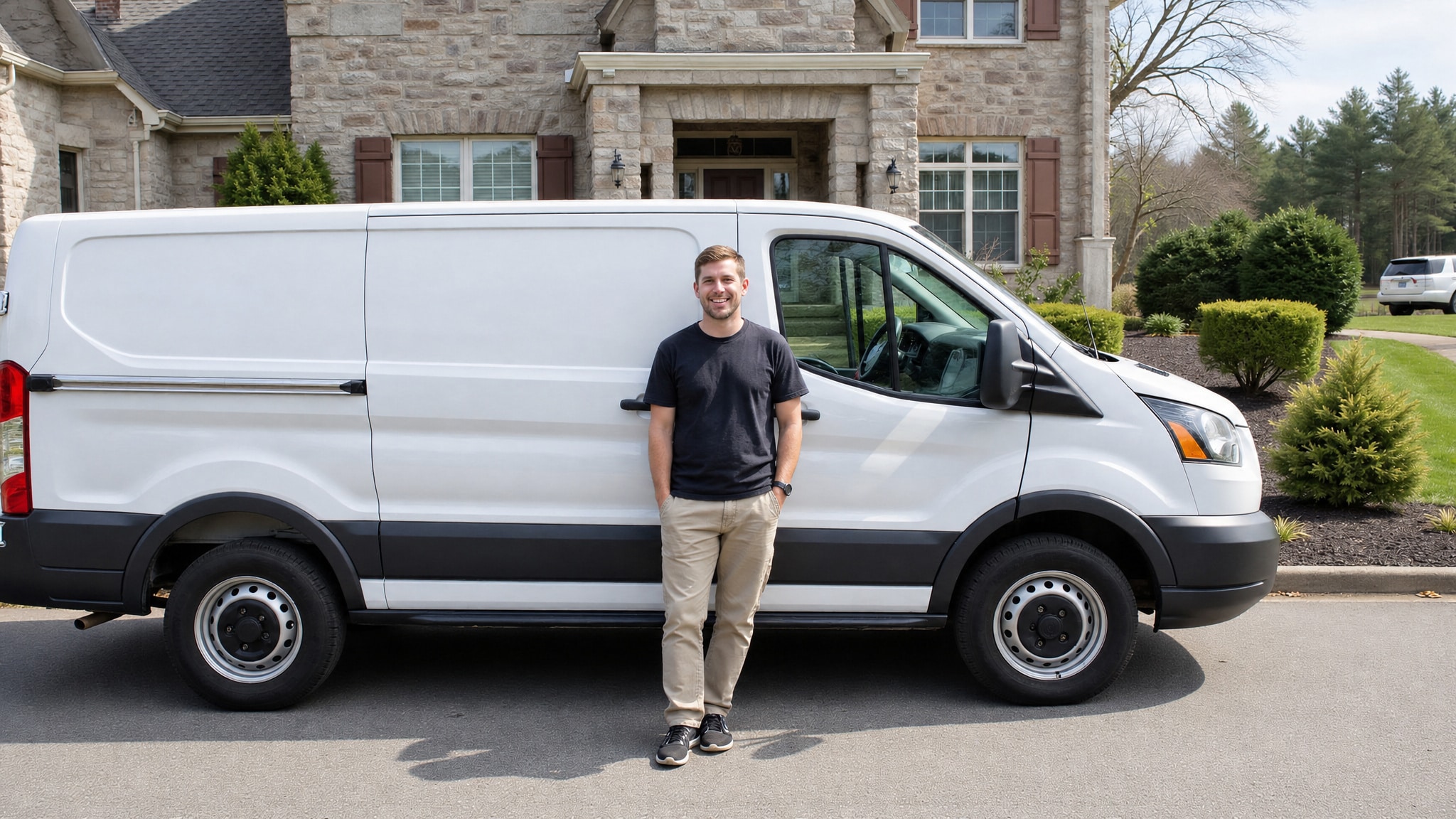
Sober living homes and transportation: learn which offer rides to treatment, meetings, and appointments before you choose.

Sober living programs work long term, with abstinence rising from 11% to 42% by 18 months when you stay six months or longer.

Moving far from home for sobriety can aid recovery. Learn how to weigh distance, support, and triggers to decide if relocating is right for you.

Level system in sober living homes sorts residences into four tiers by staffing and support. Learn how each level matches your recovery stage.

Sober housing costs can drop by hundreds monthly. Compare homes, share rooms, choose peer-run residences, and cut extras to save.
*(118 characters)*