






Yes, sober living homes usually allow prescribed antidepressants. Since these are non-controlled medications, most recovery residences permit them to support your mental health. You’ll typically need a valid prescription from a licensed prescriber, and you’ll disclose all medications at intake. Expect requirements like original pharmacy labeling, secure storage in a locker, and self-administration. House rules can vary, though, so knowing what to confirm ahead of time helps you find the right fit.
Key Takeaways
- Sober living homes usually allow prescribed antidepressants since they are non-controlled medications that support mental health recovery.
- Admission typically requires a valid prescription and disclosure of all medications, including name, dose, and prescriber details.
- Original pharmacy containers with labeling are often required so staff can verify the medication’s non-controlled status.
- Secure storage in a locked box or assigned locker is usually required, with self-administration commonly expected.
- Request the written medication policy beforehand to confirm antidepressants are permitted and understand storage, documentation, and refill procedures.
Are antidepressants allowed in sober living

Yes, prescribed antidepressants are usually allowed in a sober living home. Because antidepressants are non-controlled medications, most recovery residences permit them, recognizing that they support mental health conditions that often co-occur with addiction. You’ll typically need a valid prescription from a licensed prescriber and should disclose all medications at intake. Keep in mind that each home’s medication policy can differ, so some residences require documentation, approval, or original pharmacy labeling before you arrive. Many houses also expect you to store your antidepressants securely and self-administer them. Controlled substances face far more scrutiny, but prescribed antidepressants align with abstinence-based living. When rules seem unclear, the home’s written medication policy is what ultimately decides. Sober living home policies for medication can vary significantly from one residence to another. It’s important to ask about specific guidelines regarding prescription medications during your application process.
Why might medication policies affect antidepressant use
Medication policies affect antidepressant use because the specifics of each house’s rules can shape how you access, store, and use your prescription. Even though most sober living homes allow antidepressants, individual policies determine whether you’ll need documentation, disclosure at intake, or secured storage. A house that requires original pharmacy labeling, for example, might delay your access if you arrive without it. Some residences conduct medication checks or restrict self-administration, which affects your daily routine. Written policies also clarify how staff verify that your medication is non-controlled and legitimately prescribed. When you understand these rules beforehand, you protect your continuity of care and avoid unintentional violations that could jeopardize your standing in the home.
How do sober living homes typically handle prescribed medications

Sober living homes typically ask you to disclose all prescribed medications during intake, including antidepressants. You’ll usually need to provide the medication name, dose, and your prescribing doctor’s details, along with original pharmacy containers for verification. Staff often review whether each medication is non-controlled and legitimately prescribed, which helps confirm it aligns with house policy. Meal planning is an essential aspect of recovery in these environments. Sober living home meal options often include nutritious foods that support the physical and mental health of residents.
Most homes expect you to store medications securely, often in a personal locker rather than in common areas. You’ll typically self-administer your antidepressants, since direct administration by staff usually isn’t provided. Some residences conduct periodic medication checks and require current pharmacy labeling.
These procedures aren’t meant to restrict your care. They support safe, transparent medication management while maintaining an abstinence-based environment for everyone in recovery.
What are the rules around medication storage and management
Most sober living homes require you to keep your antidepressants in a secured, personal space such as a locked box or assigned locker. You’ll typically need to store medications in their original pharmacy containers so staff can verify the prescription, dose, and prescriber. Since antidepressants are non-controlled, you’re usually allowed to self-administer, meaning you manage your own dosing rather than relying on staff to dispense pills. Some homes conduct periodic medication checks to confirm you’re using medications as prescribed and not sharing them. You shouldn’t leave pills in common areas, where they could pose a risk to other residents in recovery. Following these storage and management rules helps maintain accountability while supporting your continued mental health treatment.
What should you ask before moving into a sober living home
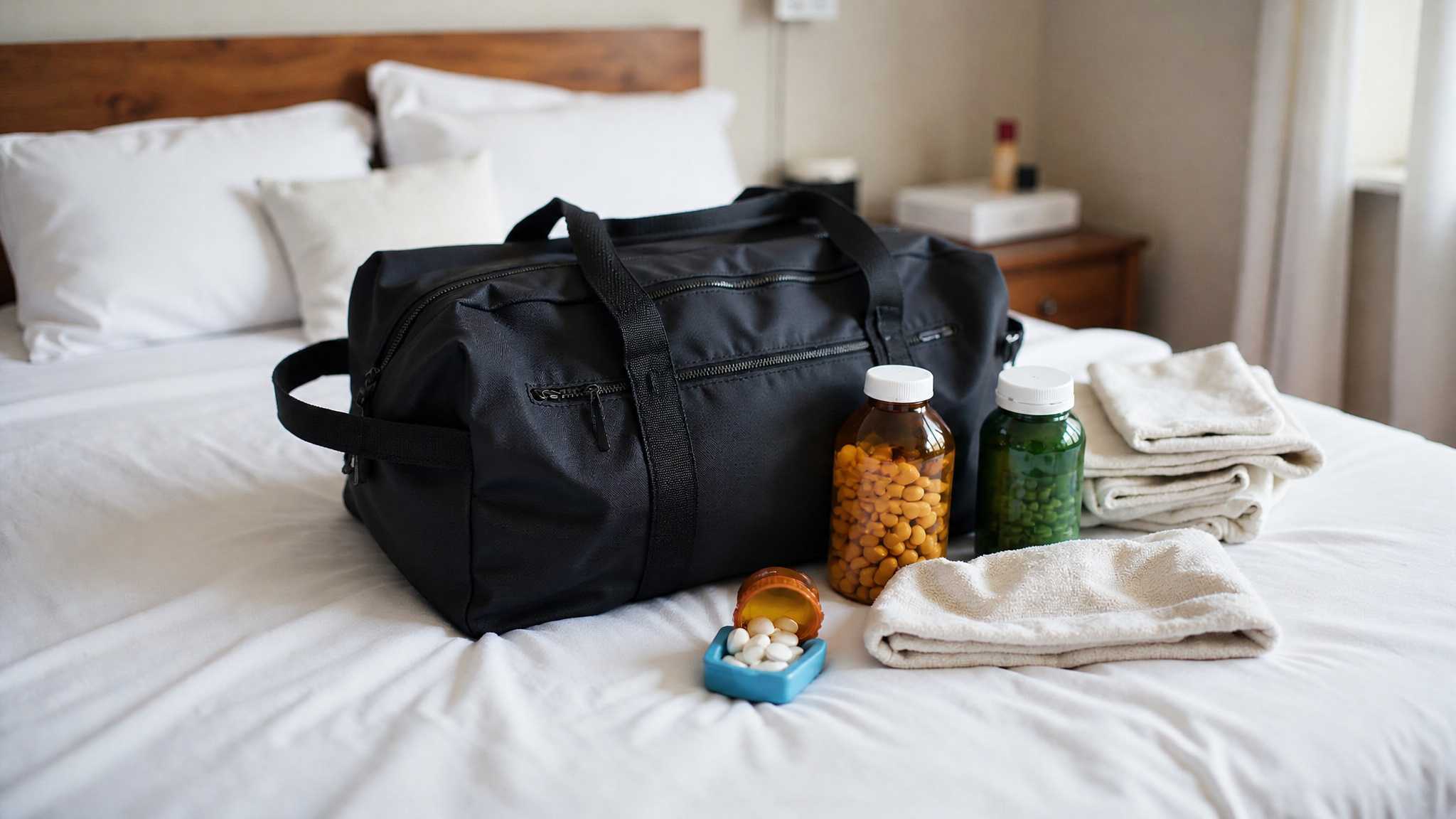
Ask whether the house has a written medication policy that explicitly permits prescribed antidepressants. Request a copy so you can confirm the rules before arrival rather than assuming they’ll accommodate your treatment.
Confirm the house has a written policy permitting prescribed antidepressants, and request a copy before you arrive.
Ask how you’ll store your medication, whether you’ll need a personal locker, secured location, or original pharmacy containers for verification. Clarify whether staff conduct medication checks and how often.
Find out what documentation you’ll need at intake, including your prescriber’s details, doses, and current pharmacy labeling. Confirm whether you can self-administer your antidepressant.
Ask whether any psychotropic medications are restricted, since policies vary by house. Finally, verify how the home supports continuity of care if your prescription changes or requires refills during your stay.
How do you find sober living homes that allow antidepressants
Find sober living homes that allow antidepressants by looking for recovery residences that publish written medication policies, since these homes have already documented how they handle prescribed antidepressants. When you contact a home, ask directly whether they accept non-controlled medications like antidepressants and what documentation they require at intake. Confirm that they allow self-administration and provide secure storage, such as a personal locker. Conflict resolution strategies in sober living are essential for maintaining a harmonious environment. Residents are encouraged to engage in open communication to resolve interpersonal conflicts, fostering a community of support.
Prioritize residences that align with recovery housing standards, since some jurisdictions require written policies on access to prescribed mental health medications. Ask whether staff review prescriptions and require original pharmacy labeling.
If you’re managing a co-occurring condition, choose a home that explicitly supports continuity of care. Always request the written medication policy before committing, because that document ultimately determines whether your antidepressant will be permitted.
Conclusion
Most reputable sober living homes allow prescribed antidepressants, recognising that treating mental health is part of recovery, not a threat to it. What matters is that the medication is legitimately prescribed, taken as directed, and disclosed to house staff who may help with safe storage. Responsible homes distinguish clearly between medical treatment and substance misuse. Managing depression or anxiety properly often protects sobriety rather than undermining it.
Call Today and Get Sober Living Support
Whether you’re on Suboxone, antidepressants, or other prescriptions, the right sober living home supports your full recovery. At DJ Housing in Oakland, NJ, our caring team delivers dependable Sober Living Housing built around whole-person recovery. Call +1 973-397-5978 today and begin a healthier chapter in your life.
Frequently Asked Questions
Can I Start a New Antidepressant While Living in Sober Housing?
Yes, you can usually start a new antidepressant while living in sober housing. Since antidepressants aren’t controlled substances, most homes permit them with a valid prescription from a licensed prescriber. You’ll typically need to disclose the new medication at intake or when starting it, provide original pharmacy labeling, and store it securely. Check your home’s written medication policy first, since rules vary and some require documentation or prior approval.
Will Taking Antidepressants Affect My Drug Test Results?
Prescribed antidepressants generally won’t cause a positive result on standard drug tests, since these screens target controlled substances like opioids, benzodiazepines, and stimulants, not antidepressants. In rare cases, certain antidepressants can trigger a false positive, so it’s smart to disclose your prescription and provide your pharmacy label upfront. If a result ever looks unexpected, confirmatory testing will clarify things. Being transparent about your medications protects you and supports your continued recovery.
Do Antidepressants Count as a Relapse in Recovery Programs?
No, taking prescribed antidepressants doesn’t count as a relapse. When you use them as directed by a licensed prescriber, you’re treating a legitimate medical condition, not misusing a substance. Antidepressants aren’t controlled or intoxicating, and they support your recovery by stabilizing co-occurring depression or anxiety. Most recovery programs recognize this and view stable medication management as compatible with abstinence. Just stay honest about your prescriptions and follow your provider’s guidance.
Can Staff Force Me to Stop Taking My Antidepressants?
Staff generally can’t force you to stop taking prescribed antidepressants, since these are non-controlled medications supporting your mental health during recovery. You’ve got a valid prescription from a licensed prescriber, and many homes are required to permit prescribed mental health medications. If staff raise concerns, they can ask for documentation or secure storage, but they shouldn’t override your prescriber. Check your home’s written medication policy, and talk with your doctor about any pressure.
Are Antidepressant Costs Covered by Sober Living Home Fees?
No, your sober living home fees typically won’t cover the cost of your antidepressants. You’re generally responsible for obtaining and paying for your own prescriptions, whether through insurance, a pharmacy plan, or out-of-pocket. Sober living fees usually cover housing, structure, and recovery support, not medications. It’s worth confirming this with your specific residence, since policies differ, and asking about any resources they might offer to help you manage medication costs.