






Start by addressing concerns early, before small frustrations harden into resentment. Pick one or two specific issues instead of every annoyance. Separate facts from assumptions, then speak during calm moments using “I” statements that describe how something affects you. Ask for a concrete change, not a vague apology. If patterns repeat or you feel unsafe, involve your house manager. There’s more to know about protecting your recovery while maneuvering these tense moments.
Key Takeaways
- Address tension early and focus on one or two specific issues rather than listing every annoyance.
- Use calm timing, respectful tone, and “I” statements to describe effects without attacking the person’s character.
- Identify the real trigger, whether shared space disputes, boundary differences, or recovery-related stress, and separate facts from assumptions.
- Reference written house rules on quiet hours, guests, and chores to keep disagreements objective and less emotional.
- Escalate to a house manager or mediator for repeating patterns, and immediately for any threats, intimidation, or harm.
How do you deal with roommate conflict in sober living
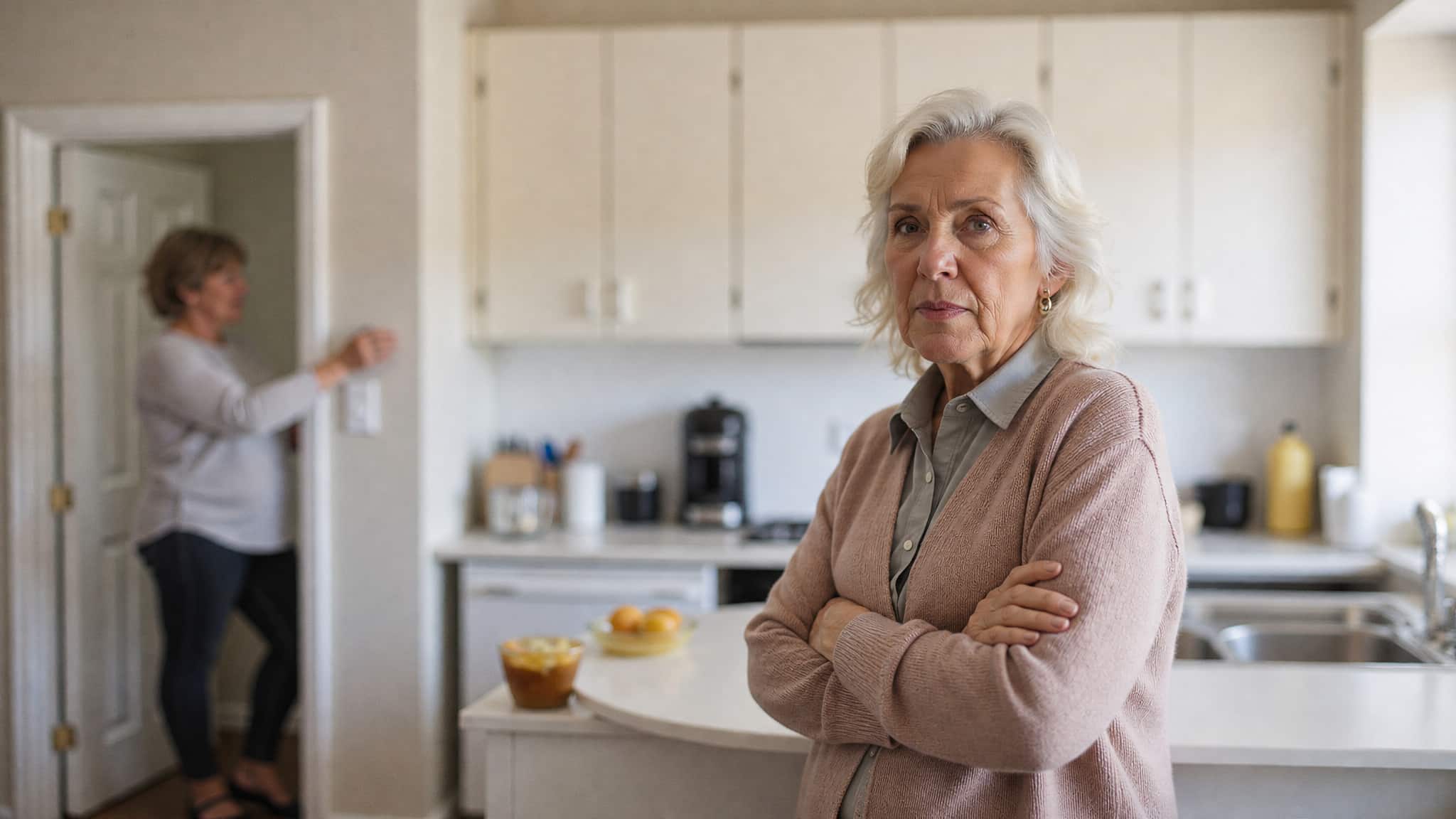
Deal with roommate conflict in sober living by addressing concerns early, before resentment hardens into lasting tension. Start by identifying one or two specific issues rather than every annoyance, and clarify what triggered the tension and what outcome you’re missing. Separate facts from assumptions to reduce blame. Choose calm, respectful communication, speak in person when possible, use “I” statements, and keep your voice low and steady. Listen without interrupting, and acknowledge emotion without validating harmful behavior. Re-center the conversation on your sober living house standards, reviewing written rules around quiet hours, guests, and cleanliness. Ask for a specific change instead of a general apology, and document repeated incidents so patterns become easier to address. Sober living home transportation options can greatly impact the ability of residents to attend essential meetings and appointments. It is important to explore various alternatives, such as community shuttles, rideshare services, and public transit routes that accommodate stable recovery.
What are common causes of roommate conflict in recovery settings
Common causes of roommate conflict in recovery settings include shared space disputes, boundary differences, and recovery-related stress. Conflict often grows from the emotional intensity that comes with early sobriety, where stress runs high and coping skills are still developing. When you’re learning new ways to manage feelings, small frustrations can feel amplified, and shared living magnifies those pressures.
In early recovery, small frustrations feel amplified, and shared living magnifies every pressure, turning minor disputes into major conflicts.
Common triggers usually fall into a few recognizable patterns:
- Shared space issues like cleanliness, noise, quiet hours, or borrowing belongings without asking.
- Boundary differences around guests, personal items, privacy, or emotional space.
- Recovery-related stress including mood shifts, triggers, and uneven coping during vulnerable moments.
When you recognize these causes early, you respond with compassion instead of blame, protecting both your recovery and the household’s stability.
How can you communicate effectively to resolve conflict

To communicate effectively and resolve conflict, start with timing and tone, not just the words you choose. Raise concerns during a calm moment, not at peak frustration, and speak in person when you can so your tone and intent stay clear. Use “I” statements to describe how a behavior affects you, rather than attacking your roommate’s character. Keep your volume low and your pace steady, even if emotions rise.
Listen actively, allowing each person to share without interruption. You can acknowledge someone’s emotion without validating harmful behavior or accusations. Focus on one or two specific issues instead of unloading every annoyance at once.
Ask for a concrete change rather than a vague apology. This approach protects both your recovery and your roommate’s, keeping the conversation grounded and respectful.
What house rules and structures help prevent conflict
Clear house rules prevent conflict by giving you something objective to point to, so disagreements stay tied to behavior instead of character. Written standards make you far less likely to end up in a standoff over what’s fair. When you re-center a conversation on the agreement you both signed, you reduce blame and lower the emotional charge.
Focus your attention on the areas that most often spark tension:
- Quiet hours, so rest and recovery stay protected.
- Guests and shared spaces, so boundaries feel predictable.
- Cleanliness and chores, so resentment doesn’t quietly build.
When conflict repeats, document each incident. Doing so helps you name patterns clearly, request specific changes, and involve staff with facts rather than assumptions when direct dialogue stalls.
How do conflict resolution approaches compare by situation

Conflict resolution approaches compare by matching your response to the severity of the situation. A minor annoyance calls for direct, calm dialogue, while a repeated pattern needs documentation and staff involvement. When safety’s at risk, you skip discussion entirely and escalate.
| Situation | Best Approach |
|---|---|
| One-time or minor issue | Direct “I” statement conversation in a calm moment |
| Repeated or escalating pattern | Document incidents, involve house manager or mediator |
| Threats, intimidation, or harm | Escalate immediately; prioritize safety over resolution |
Intensity guides your choice. If either of you is agitated or intoxicated, you pause first. Reserve staff mediation for stalled disputes, and always protect recovery when tension threatens the household’s stability. Sober living home medication policies should be clearly outlined to ensure that all residents understand their responsibilities. Regular meetings can be held to discuss these policies and provide updates as needed. Residents should also be informed about sober living home meal options, as nutrition plays a vital role in overall recovery. Providing a variety of healthy choices can support their physical and mental well-being.
When and how should you involve house staff or management
Involve house staff or management once direct dialogue stalls, a pattern keeps repeating, or safety comes into question. You don’t have to resolve everything alone, and reaching out isn’t a failure. It’s a way to protect your recovery and the house’s stability. When you bring a concern forward, keep it clear and factual so staff can respond effectively.
- Share only the facts needed to explain the problem and request help.
- Follow any formal dispute-resolution clause written into your residence agreement.
- Ask for follow-up so agreements get reviewed and enforced consistently.
A neutral house manager or mediator can guide respectful discussion and fair solutions. If threats, intimidation, or physical harm appear, escalate immediately. Your safety always takes priority over handling it quietly.
How do you protect your own recovery during roommate conflict
Protect your recovery during roommate conflict by keeping it your first priority, because ongoing conflict can quietly wear down your stability. Treat repeated tension as a genuine risk, not just an annoyance, because sustained stress can destabilize both you and the house. Set clear boundaries around threats, intimidation, name-calling, and aggression, and hold those limits even when you feel pressured to react. If physical harm, property damage, or unsafe behavior appears, escalate immediately rather than trying to manage it alone. Keep your focus on maintaining a stable, sober environment instead of winning the argument, since being “right” won’t protect your sobriety. After you’ve reached a resolution, revisit the agreement so expectations stay clear and enforceable. Lean on your support network and coping tools throughout the process.
Conclusion
Roommate conflicts are a normal part of shared sober living, and handling them calmly is itself part of recovery. Clear communication, respect for house rules, and involving a house manager or sponsor when needed usually resolve disputes before they escalate. Learning to work through disagreements without old coping habits builds skills that last well beyond the house. Most conflicts become opportunities for growth. DJ Housing in West Milford, NJ provides coaching and mentorship that helps residents navigate shared living and strengthen their recovery.
Discover a Sober Living Home Built for You
Every good sober living home has clear rules, structure, and support to help residents thrive in recovery. At DJ Housing in Butler, NJ, our experienced team provides trusted Sober Living Housing with clear expectations, accountability, and a supportive community. Call +1 973-397-5978 today and take the first step toward lasting recovery. Do sober living homes provide meals? Many facilities offer meal services to ensure that residents receive nutritious food during their recovery journey.
Frequently Asked Questions
Can I Request a Room Change if Conflict Remains Unresolved?
Yes, you can request a room change when direct conversation and staff mediation haven’t resolved the conflict. Bring your concern to the house manager, sharing only the facts you need to explain the pattern and why the current arrangement feels unsafe or destabilizing for your recovery. Ask about the formal process and follow-up. You’re allowed to protect your stability, prioritizing a calm, sober environment isn’t giving up; it’s caring for yourself.
What Happens if a Roommate Relapses During Our Conflict?
If your roommate relapses, shift your focus to safety over the conflict. Notify house staff right away, since relapse is a recovery risk that needs support, not blame. You’re not responsible for managing their recovery, so protect your own stability first. Set clear boundaries around any unsafe or aggressive behavior, and let staff guide next steps. Pause the disagreement until things stabilize, and lean on your support system if you’re feeling overwhelmed.
Are Conflicts Recorded in My Recovery or Residence File?
Sometimes, yes. Staff often document repeated incidents so patterns are easier to address and agreements can be reviewed consistently. This isn’t meant to punish you, it’s a way to protect your safety and support your recovery. Notes usually focus on facts and behavior, not character judgments. If you’re worried about what’s recorded, you’re allowed to ask your house manager directly. Understanding your file can help you feel more grounded and secure.
Should I Involve My Sponsor in Roommate Disputes?
Yes, involving your sponsor can help, especially for processing your own emotions and staying grounded in recovery. Your sponsor isn’t there to mediate the dispute directly, but they can support you as you decide how to respond calmly. For the actual conflict, bring it to house staff or a neutral mediator. Lean on your sponsor for perspective and stability, so ongoing tension doesn’t quietly threaten your progress or peace.
Can I Be Evicted for Repeated Roommate Conflicts?
Yes, you can be asked to leave if conflicts keep repeating, especially when threats, intimidation, or unsafe behavior show up. Most agreements treat ongoing tension as a recovery risk, so staff may step in when direct dialogue fails. You’re not powerless here, though. If you address issues early, communicate calmly, and follow the house process, you’ll protect both your housing and your recovery. Review your agreement so expectations stay clear.