






No, most sober living homes don’t offer warm prepared meals for free. You’ll typically buy your own groceries and cook them yourself using a shared kitchen. Food usually isn’t a standard amenity, so you’ll need to budget for it separately. That said, some premium or highly structured programs do include meals in your rent, it varies. Knowing what to expect and which questions to ask can help you find the right fit.
Key Takeaways
- Most sober living homes do not offer warm prepared meals for free.
- Residents typically buy their own groceries and cook independently using shared kitchen access.
- Food is usually not included as a standard amenity, requiring separate budget planning.
- Premium or highly structured programs more often include meals, but usually increase overall fees.
- Ask which meals are included and whether food costs are built into rent or billed separately.
Do sober living homes provide meals
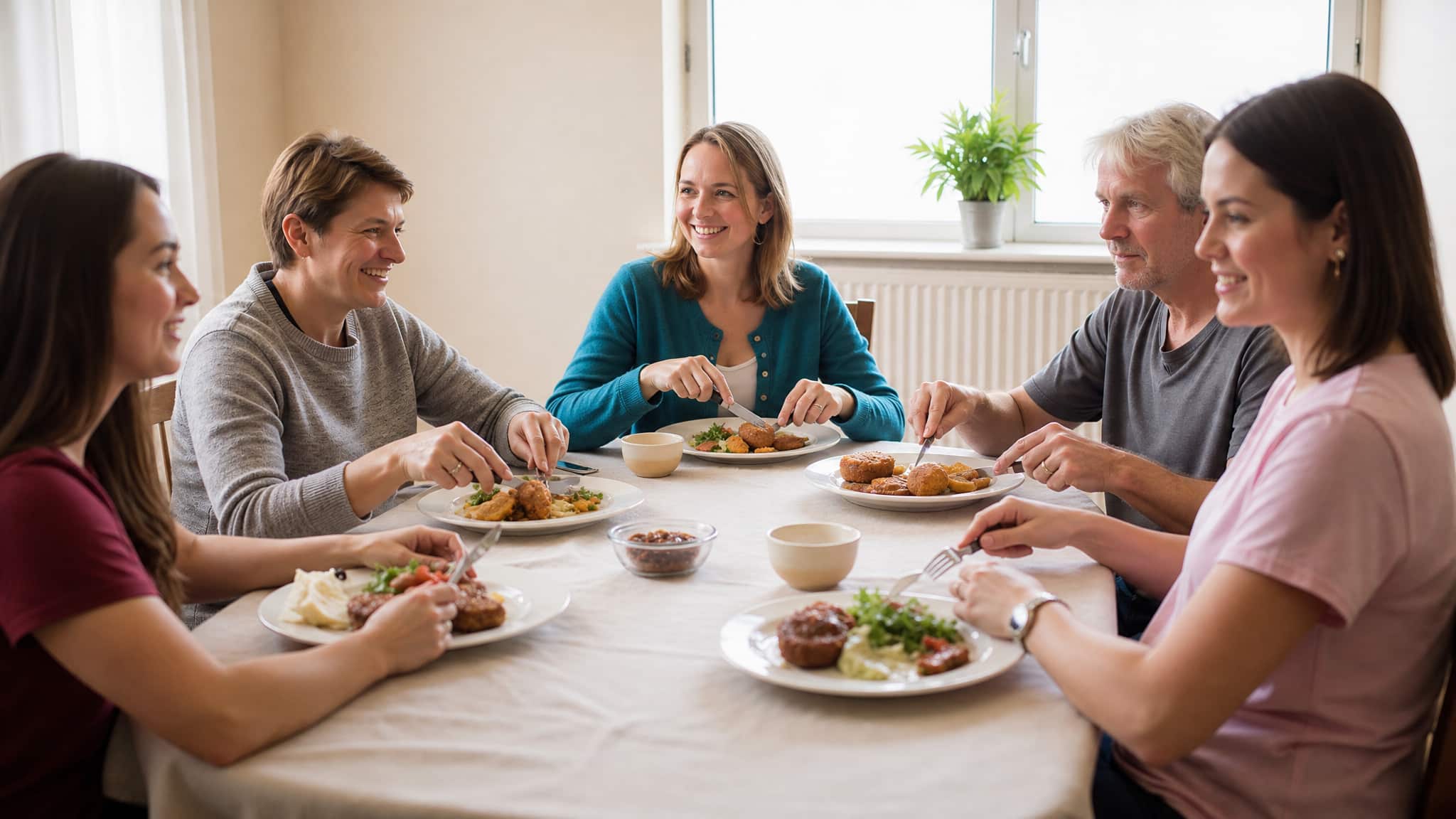
Most sober living homes do not provide meals. In most sober living settings, you’ll be responsible for buying your own groceries and cooking your own meals. Food usually isn’t included as a standard amenity, so you’ll need to budget separately for it. What you can typically count on is housing, utilities, peer support, and access to a shared kitchen where you can prepare your own food. Transportation options for sober living can vary greatly depending on the location. Many sober living facilities are situated near public transportation routes, making it easier for residents to access employment and essential services.
Handling your own meals isn’t just about cost, either. It’s often built into the recovery structure, helping you rebuild daily routines and independence. Some homes do provide meals, but you shouldn’t assume that’s the case everywhere you look.
Why do meal policies differ between sober living homes
Meal policies differ between sober living homes because of a few practical factors. Cost and price point play a big role, since homes offering chef-prepared meals or three meals a day usually charge higher fees to cover those amenities. Location and the home’s overall service level matter too, because premium or highly structured programs tend to build food into rent, and budget-friendly homes expect you to handle groceries yourself.
Each residence sets its own house policy around meals, often tying it to recovery goals like building daily routines and self-sufficiency. That’s why some homes cook for you and others don’t. Your best move is confirming the specifics before you commit to any place.
How are groceries and cooking typically handled
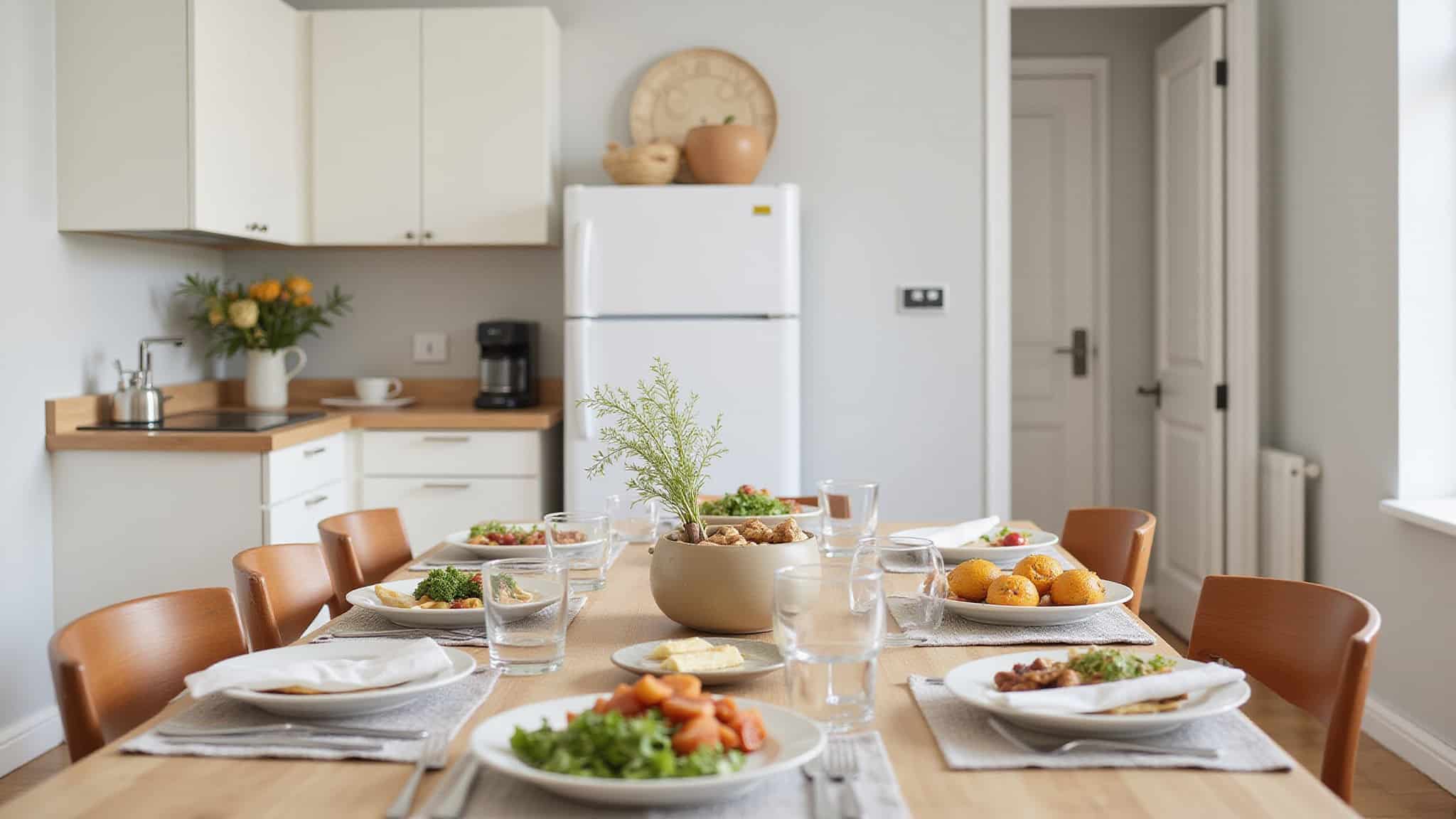
You’ll usually handle groceries and cooking yourself, since most sober living homes don’t provide prepared meals. You’ll shop for your own food, store it in shared kitchen space, and prepare meals around your daily routine. Many homes give you access to a communal kitchen with a stove, refrigerator, and basic cookware, so you can cook whenever you need to.
Budget-wise, plan for roughly $200 to $500 a month for groceries, depending on where you live and how you eat. Some houses use hybrid models, providing a few meals while you manage the rest.
This setup isn’t just about saving money. It’s part of rebuilding structure and independence. Cooking for yourself helps you develop routines and self-sufficiency that support your long-term recovery and everyday stability.
What do communal or provided meals usually look like
Communal or provided meals vary widely from place to place. In some houses, you’ll find communal setups where residents share self-prepared food, cooking together or splitting duties throughout the week. Other homes provide staff-cooked meals, ranging from simple breakfasts to full breakfast, lunch, and dinner service. A few premium programs offer chef-prepared meals, plus snacks and beverages during the day. Many homes use hybrid models, providing some meals while you handle the rest yourself.
Because setups vary so widely, don’t assume “meals included” means hot, freshly cooked plates. It might mean stocked groceries or communal cooking instead. Before you move in, ask exactly what’s provided, how often, and whether you’ll still need to cook or budget for extras.
How do meal arrangements compare across sober living home types
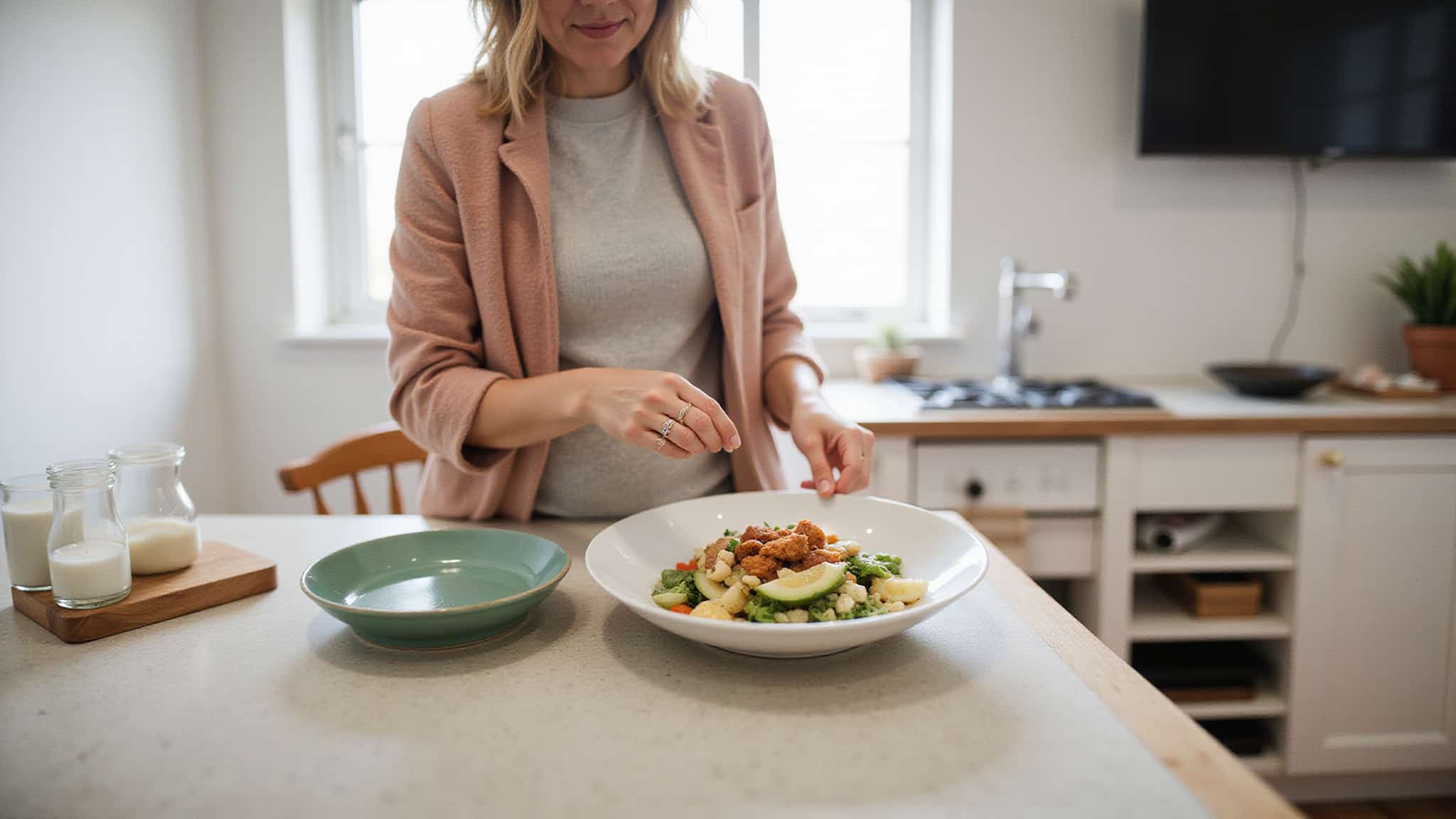
Meal arrangements across sober living home types fall along a spectrum shaped by a home’s price point and structure. On one end, budget-friendly homes expect you to buy and cook your own groceries. In the middle, hybrid homes cover a few communal meals while leaving the rest to you. At the higher end, premium programs may serve chef-prepared meals daily.
| Home Type | Meal Arrangement | Typical Cost Impact |
|---|---|---|
| Standard | Self-cooked meals | Groceries billed separately |
| Hybrid | Some meals provided | Moderate added fees |
| Premium | Full meals included | Higher monthly rent |
Where a home sits helps you budget realistically and avoid surprises. Always ask exactly what’s covered before you move in, so you can plan confidently.
What should you ask about meals before choosing a sober living home
Ask whether any meals come included, and if so, which ones. Find out if they are warm, prepared dishes, or if you cook for yourself using shared kitchen access. Ask if food costs are built into your rent or billed separately, since that affects your monthly budget. Ask how much residents typically spend on groceries each month. Confirm whether snacks and beverages are available throughout the day. Finally, request the written house agreement, since it usually spells out meal policies more clearly than a marketing page. Getting these answers upfront helps you avoid surprises and plan confidently.
Conclusion
Whether a sober living home provides free prepared meals varies widely. Some homes, especially higher-cost or more structured ones, include cooked meals or stocked kitchens in the rent, while many others expect residents to buy and prepare their own food, sometimes sharing communal cooking duties. Shared meals, where offered, can add real value by building routine and community. The best step is to ask each home exactly what is included before you move in.
Discover a Sober Living Home Built for You
Every good sober living home has clear rules, structure, and support to help residents thrive in recovery. At DJ Housing in Butler, NJ, our experienced team provides trusted Sober Living Housing with clear expectations, accountability, and a supportive community. Call +1 973-397-5978 today and take the first step toward lasting recovery.
Frequently Asked Questions
Can Residents With Dietary Restrictions Request Special Meal Accommodations?
You can often request special meal accommodations, but it depends on the home. If a residence provides meals, ask directly whether they’ll adjust for allergies, medical needs, or dietary preferences. In homes where you handle your own groceries and cooking, you’re free to manage restrictions yourself. Either way, confirm the details before move-in and get the policy in writing so there aren’t any surprises about what’s actually possible for you.
Are Food Stamps or SNAP Benefits Usable in Sober Living Homes?
Yes, you can usually use SNAP benefits while living in a sober living home, since most homes expect you to buy your own groceries and cook for yourself. Because food’s often a separate expense running $200 to $500 monthly, SNAP can really ease that burden. Just confirm your home’s kitchen access and meal policy first. If meals are already included in rent, your SNAP needs might look a little different.
Do Sober Living Homes Teach Residents Cooking or Meal-Planning Skills?
Some sober living homes do teach you cooking and meal-planning skills, but it isn’t guaranteed everywhere. Since many houses expect you to buy groceries and cook your own meals, you’ll often build these skills naturally as part of your daily routine. Some structured programs offer more hands-on guidance or classes. If life skills matter to you, ask before moving in whether the home includes cooking support or meal-planning help.
Can Family Members Bring Outside Food to Residents?
Yes, family members can usually bring you outside food, though it depends on your home’s specific policies. Many residences welcome shared meals and family visits as part of your support network. However, some homes restrict certain items or set visiting guidelines, so you’ll want to check the house rules first. If you’re unsure, just ask your house manager. They’ll clarify what’s allowed and help make family visits smooth and welcoming.
Are Shared Grocery Costs Split Evenly Among All Residents?
It depends on your specific home, since there’s no universal rule. Some houses split shared grocery costs evenly among everyone, while others expect you to buy and cook your own food separately. You’ll want to ask about this before moving in, since food’s often a separate expense running around $200 to $500 monthly. Check the written house agreement, as it usually spells out food policies more clearly than marketing materials do.