






You should ideally remain in sober housing for at least 6 months. While 90 days serves as a practical minimum for stabilizing routines and building accountability, a 2023 study found that staying 6 months or longer produces markedly better outcomes, more abstinent days, fewer psychiatric and depression symptoms, and lower odds of legal problems at 12 months. Many residents stay between 6 and 12 months. Your ideal length depends on several key factors.
Key Takeaways
- A minimum of 90 days is recommended to stabilize routines, build accountability, and establish support before moving on.
- Six months is a stronger benchmark, linked to more abstinent days and fewer psychiatric and depression symptoms.
- Many residents ideally stay between 6 and 12 months for better abstinence, stability, and reduced legal problems.
- Individual factors like relapse history, weak family support, unstable housing, and mental health symptoms justify longer stays.
- Readiness to leave depends on functional stability, sustained abstinence, steady routine, and reliable support, not just time served.
How long should you stay in sober living

Aim for at least 90 days, but plan for more if your recovery needs demand it. Though 90 days works as a practical minimum, the evidence points to six months as a stronger benchmark. A 2023 study found that staying in sober living for at least six months produced better outcomes than leaving earlier, including more abstinent days, fewer psychiatric and depression symptoms, and lower odds of legal problems at 12 months. Research also indicates that the success rates of sober living facilities significantly improve with extended stays. Individuals who engage in these structured environments for longer periods often report enhanced coping strategies and a stronger support network.
Your ideal length of stay depends on your recovery timeline, relapse history, mental health, and support system. Weak family support, unstable housing, or co-occurring conditions typically justify extended residence. Many people remain between six and 12 months. Longer stays tend to support better abstinence and stability, so extend accordingly.
What is the recommended minimum stay in sober living
The recommended minimum stay in sober living is 90 days, a figure that holds up as a practical starting point for early recovery. Clinical guidance frames 90 days as the ideal minimum, though not necessarily the full target. This duration gives you enough time to stabilize routines, build accountability, and establish support before moving on. Curfew policies in sober living homes play a crucial role in enhancing structure and promoting a sense of security among residents. These policies can help minimize potential distractions and reduce the likelihood of relapse.
Ninety days isn’t the finish line, it’s the foundation. Give recovery the time it needs to take hold.
- 90 days is the most commonly recommended minimum, treated as a baseline rather than a finish line.
- 3 to 6+ months reflects the typical stay window cited in program and clinical guidance.
- Strong outside support can make roughly 3 months workable for some residents.
- Longer engagement consistently correlates with greater recovery stability than very short stays.
Match your minimum to your recovery severity and support system.
What factors influence how long you should stay

Several factors shape how long you should stay, including your relapse history, family support, housing stability, mental health, and practical obligations. If you’ve relapsed before, you’ll likely benefit from a longer stay rather than a shorter one. Weak family support or unstable housing increases the value of extended sober living, giving you structure you’d otherwise lack. Co-occurring mental health symptoms, such as depression or anxiety, often make a longer residence more beneficial. Practical realities also count. Your employment, income, and legal obligations can determine how long you’re realistically able to stay. House rules, program structure, and your personal recovery goals all influence what’s appropriate for you. Ultimately, the ideal length aligns with your recovery severity, stability needs, and available support system, so weigh these factors honestly.
How do different lengths of stay affect recovery outcomes
Different lengths of stay affect recovery outcomes in a clear pattern: longer stays tend to support better abstinence and stability. Short stays help you shift, but they offer limited long-term protection. A 2023 study found that staying at least six months produced measurably stronger results than leaving earlier.
| Length of Stay | Recovery Impact | Evidence |
|---|---|---|
| Under 3 months | Minimal support | Weak long-term stability |
| 3 months | Workable minimum | Adequate with strong support |
| 6 months | Strong milestone | 7.76% more abstinent days |
| 6 to 12 months | Frequent target | Fewer psychiatric symptoms |
| 12+ months | Extended stability | Lower SUD and legal risk |
You’ll gain the most when your stay matches your recovery needs.
What are the signs you are ready to move out
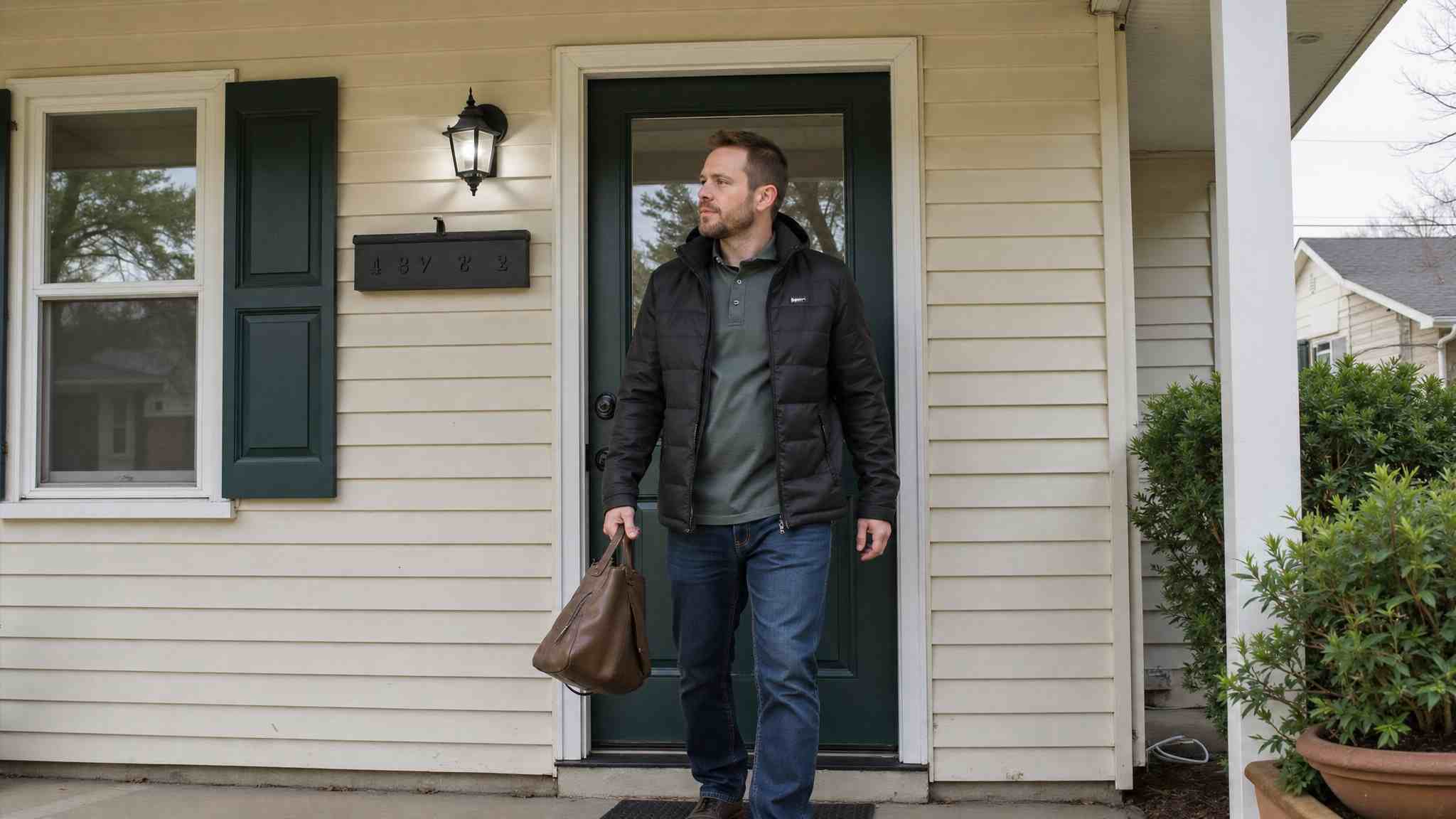
You are ready to move out when you show functional stability, not just time spent in a program. Even after reaching the 90-day or six-month benchmark, you should assess functional stability rather than time alone. Evidence links durable recovery to consistent structure, accountability, and support, qualities you must be able to sustain independently before moving on.
Watch for these signs:
- Sustained abstinence: You’ve maintained sobriety for several consecutive months without close calls or relapse.
- Stable routine: You hold steady employment, education, or purposeful daily activity.
- Reliable support: You’ve built a recovery network you can access outside the house.
- Managed symptoms: Any co-occurring mental health conditions are treated and stable.
If you meet these consistently, you’re likely ready to move forward confidently.
How do you plan your transition out of sober living
Planning your transition out of sober living requires a structured plan rather than an abrupt departure. Start by securing stable housing that supports your recovery, ideally free from environments linked to prior substance use. Confirm employment or income sufficient to cover rent and living costs, since financial instability increases relapse risk. Maintain your support network by scheduling ongoing therapy, mutual-aid meetings, or medication management before you leave. Since longer engagement correlates with stronger abstinence outcomes, don’t rush; verify you’ve met the six-month benchmark when possible. Establish clear routines around work, sleep, and accountability to replace the house structure you’re leaving. Finally, arrange a check-in system with peers or staff, so you can identify warning signs early and intervene before setbacks escalate. Strategies for success in sober living often include setting realistic goals and celebrating small achievements along the way. Engaging in activities that promote wellness, such as exercise or hobbies, can provide positive outlets and reduce stress.
Conclusion
How long to stay in sober housing depends on the person, but research and experience consistently point to longer stays producing better outcomes. Many people benefit from at least three to six months, and staying closer to a year or more is often linked to stronger, more durable recovery. The right length is less about a fixed number and more about remaining until new habits, stability, and support are firmly in place. Leaving too early, before that foundation is set, raises the risk of relapse.
Discover a Sober Living Home Built for You
Every good sober living home has clear rules, structure, and support to help residents thrive in recovery. At DJ Housing in Oak Ridge, NJ, our experienced team provides trusted Sober Living Housing with clear expectations, accountability, and a supportive community. Call +1 973-397-5978 today and take the first step toward lasting recovery.
Frequently Asked Questions
How Much Does Sober Living Typically Cost per Month?
Sober living typically costs between about $500 and $1,500 a month, though the range is wide. Some homes charge as little as $300, while those in expensive cities or with more amenities can run $2,000 or more. Rent usually covers a shared, substance-free residence with house support and accountability, and utilities are often included. Because location, services, and structure drive most of the price difference, and some homes offer scholarships or sliding-scale rates, it is best to ask each program about fees, deposits, and what is included before committing.
Can You Be Forced to Leave Sober Housing Early?
Yes, you can be asked to leave early if you break house rules. Most sober homes let you stay as long as you follow the guidelines and your residence remains helpful, but violations, like substance use, missed payments, or disruptive behavior, can end your stay. Since longer stays tend to support stronger recovery outcomes, you’ll want to understand each home’s specific expectations upfront so you can protect your continued residence and stability.
Does Insurance Cover the Cost of Sober Living?
You’ll typically find that most insurance plans don’t cover sober living costs directly, since these residences aren’t classified as clinical treatment. However, you may find coverage for related clinical services, such as outpatient therapy or medication-assisted treatment, delivered while you’re living there. You’ll want to verify your specific plan’s benefits, as coverage varies widely. Many residents pay out of pocket, though affordable, supportive housing often extends how long you can realistically stay.
Can You Return to Sober Living After Moving Out?
Yes, you can typically return to sober living after moving out, provided you follow the house rules and space is available. Since many recovery homes impose no fixed cap, your continued residence often depends on maintaining sobriety and program compliance. If you’ve experienced a relapse or unstable housing, returning can strengthen your recovery stability. Given that longer engagement supports better outcomes, re-entering sober housing when you need structure and accountability is a clinically reasonable step.
What Happens if You Relapse While in Sober Living?
If you relapse in sober living, you’ll typically face consequences that vary by house rules and program structure. Some homes discharge you immediately, while others allow you to stay if you follow accountability measures. You might need to increase your treatment engagement, attend more meetings, or accept closer monitoring. Since relapse history often means you’ll benefit from a longer stay, use this setback to strengthen your recovery and rebuild stability.