






Filling time after addiction matters because empty hours are where boredom, rumination, and cravings build, and unstructured evenings are the most commonly reported risk window in early recovery. The activities that work fall into four groups: physical ones like walking, hiking, swimming, or team sports, which lift mood and rebuild fitness; creative ones like painting, writing, music, or cooking, which give expression and something to show for the time; social ones like volunteering, classes, and clubs, which counter the isolation that feeds relapse; and mentoring, which adds purpose while reinforcing your own progress. Most cost nothing. Living in sober living housing helps here because housemates are usually doing the same thing, so activities have people attached to them rather than requiring you to build a social life from scratch.
Key Takeaways
- Physical activities like walking, hiking, swimming, or team sports rebuild health while providing structure and reducing cravings.
- Creative outlets such as painting, writing, journaling, or learning an instrument foster self-expression and a renewed sense of identity.
- Social and community involvement through volunteering, clubs, or classes combats loneliness and strengthens supportive connections.
- Mentoring others who are earlier in recovery adds purpose while reinforcing your own progress.
- Filling empty hours with meaningful activities prevents boredom and reduces the risk of returning to old patterns.
What activities can fill your time after addiction
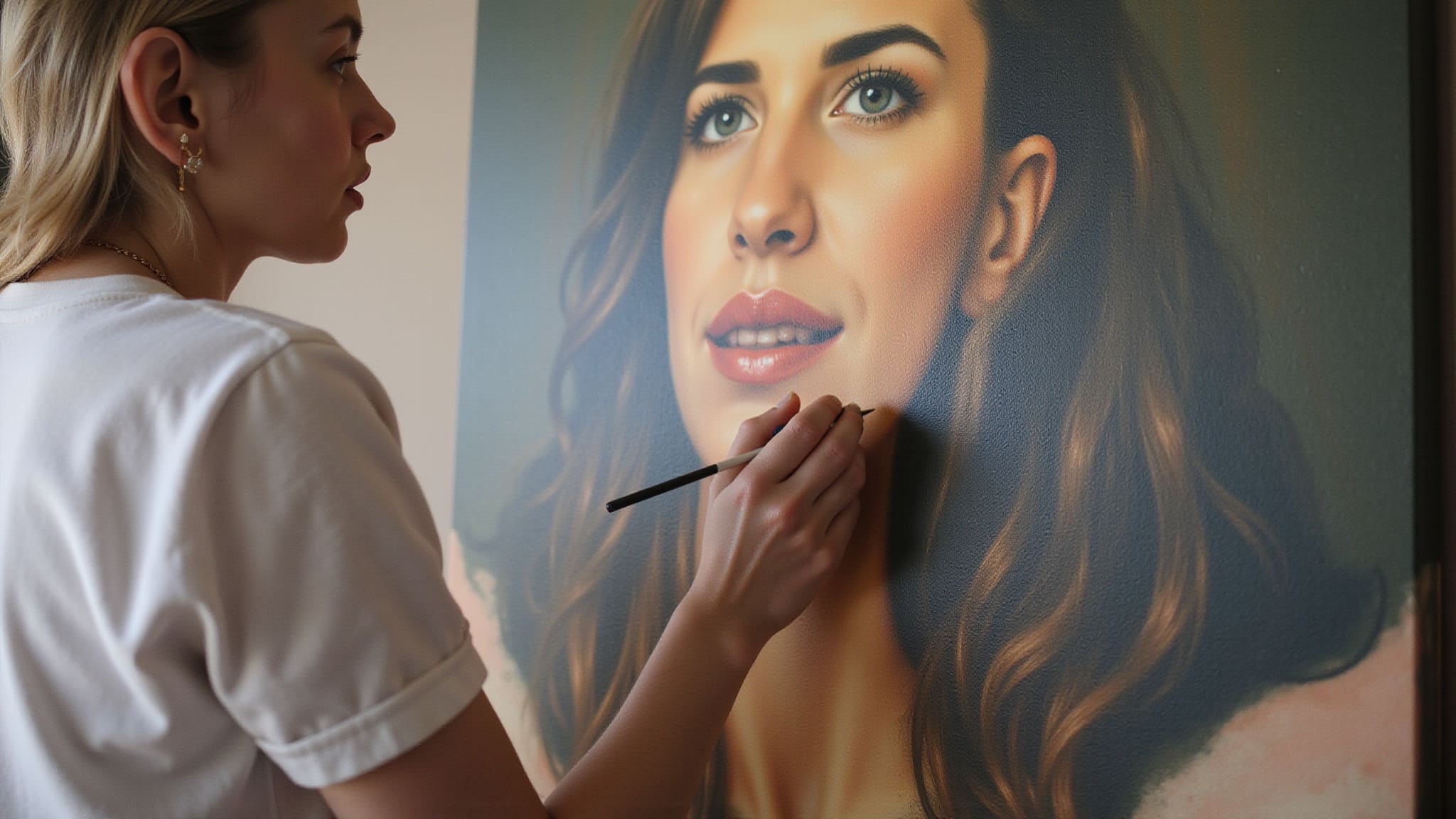
Activities that can fill your time after addiction include walking, hiking, joining a local sports league, painting, photography, cooking new recipes, playing a musical instrument, gardening, and journaling. Filling time sober gives you the chance to rediscover who you are and what brings you joy. Start by exploring sober activities that engage your body and mind, like walking, hiking, or joining a local sports league. Creative outlets like painting, photography, or cooking new recipes let you express yourself without substances.
Sober hobbies don’t have to be complicated. You might pick up a musical instrument, tend a garden, or write in a journal each morning. The key is finding what resonates with you. As you build these healthy routines, you’ll discover that a life in recovery can feel meaningful, purposeful, and fulfilling.
Why does filling your time matter after addiction
Filling your time after addiction matters because empty hours can pull you back toward old patterns. When you don’t have a plan, boredom and loneliness can creep in, and those feelings often trigger cravings. That’s why activities after addiction play such a powerful role in your healing. They give your days purpose, structure, and something to look forward to.
Finding things to do in recovery helps you rebuild your identity beyond substance use. You’ll discover new interests, strengthen relationships, and remind yourself that life can feel meaningful again. Each activity you choose becomes a healthy replacement for old habits, filling the space that addiction once occupied.
What physical and outdoor activities help after addiction
Physical activities that help after addiction include walking, hiking, swimming, running, yoga, and team sports, all of which release natural chemicals that lift your mood, ease anxiety, and rebuild the sense of well-being addiction once took. Because your body and mind heal together, movement becomes one of the most powerful tools in your recovery. You don’t need to become an athlete overnight. You simply need to get moving in ways that feel good to you.
Consider working these activities into your routine:
- Walking, hiking, swimming, or running regularly
- Practicing yoga, pilates, or attending dance classes
- Joining team sports or local sports leagues
- Trying rock climbing, surfing, or adventure sports
- Gardening or caring for indoor and outdoor plants
As you build strength and stamina, you’ll rediscover confidence in your body and a renewed appreciation for the life you’re reclaiming.
What creative and hobby-based activities can fill your time
Creative outlets like painting, writing, and music can fill your time with meaning and enjoyment. Painting, drawing, or sculpting lets you express emotions that words sometimes can’t capture. If you’re drawn to storytelling, try writing short stories, journaling daily, or starting a blog to work through what you’re experiencing.
Music offers another powerful outlet. Learning an instrument or practicing your singing gives you something to build toward. Photography and videography encourage you to see beauty in everyday moments while documenting your progress.
Don’t overlook the kitchen, either. Cooking new recipes or baking different dishes engages your senses and rewards you with something tangible. Whatever you choose, these hobbies aren’t just distractions. They’re tools for rediscovering who you are and what brings you fulfillment.
What social and community activities support recovery
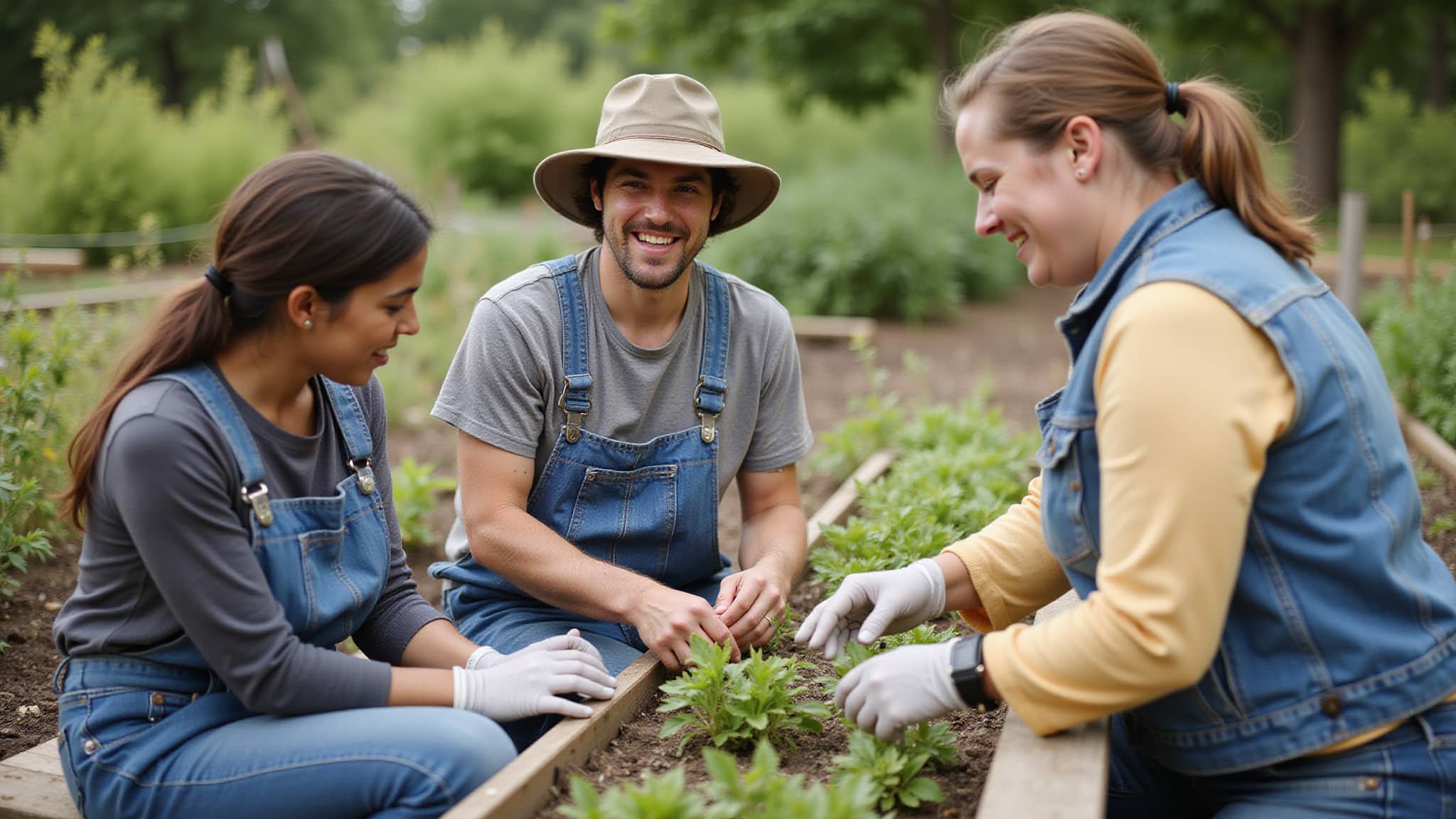
Social and community activities that support recovery include joining groups, volunteering, participating in clubs, taking classes, and mentoring others. These activities help you reconnect with people, something recovery depends on. Isolation often fuels addiction, so building real connections becomes a powerful part of your healing. When you surround yourself with supportive people and give back to your community, you strengthen both your sense of purpose and your sobriety.
Consider trying some of these:
- Joining book clubs, discussion groups, or classes that spark conversation
- Volunteering your time or mentoring others facing similar struggles
- Participating in local clubs, workshops, or hobby groups
- Taking online courses to learn new skills alongside others
- Supporting someone earlier in their recovery than you are
Each connection reminds you that you’re not alone, and that your presence matters to someone else.
How do these activities compare by cost and time commitment
These activities range from completely free to moderately expensive, with time commitments spanning 10 minutes daily to several hours weekly. You’ve got options at every price point and time level, so there’s no need to feel limited. Some pursuits ask for little more than your presence, while others require gear, fees, or a steady commitment. Here’s a quick comparison to help you plan:
| Activity | Cost | Time Commitment |
|---|---|---|
| Journaling or meditation | Free | 10, 20 min daily |
| Walking or hiking | Free | 30, 60 min |
| Volunteering | Free | 2, 4 hrs weekly |
| Painting or crafts | Low, moderate | Flexible |
| Vocational courses | Moderate, high | Several hrs weekly |
Start small with free, low-time options like walking or gratitude exercises, then build toward bigger goals as your confidence grows. You’ll find something that fits your life well.
How do you choose the right activities to fill your time after addiction
Choose the right activities by paying attention to what draws you in, not what you think you should enjoy. The right activities support your healing rather than drain your energy. As you explore your options, consider a few guiding questions:
- Does this activity bring you calm, enjoyment, or a sense of accomplishment?
- Can you fit it realistically into your current schedule and budget?
- Will it connect you with supportive, sober-minded people?
- Does it align with the personal goals you’re setting for yourself?
- Can you start small and build from there?
Trust yourself. You’ll refine your choices as you grow.
Conclusion
Lists like this one miss the hardest part, which is not choosing an activity but starting one alone. Signing up for a class where you know nobody, walking into a gym for the first time, or showing up to a volunteer shift takes a kind of nerve that early recovery tends to be short on. This is where sober living housing quietly changes the math. Housemates are usually filling the same hours, so a hike, a gym session, or a Saturday project becomes something two people do rather than something you have to work up to by yourself. Activities that survive are almost always the ones with a person attached.
The other thing worth expecting is that most of it will not stick, and that this is fine. People try six things and keep one. The instinct to treat an abandoned hobby as another failure is worth resisting, because trying and dropping things is how anyone finds what actually fits. What matters is that the hours were occupied while you looked, not that every attempt turned into a lasting interest.
Master the Daily Skills That Change Everything
Sobriety grows stronger when your day has structure, purpose, and the practical skills to handle whatever comes up. At DJ Housing in West Milford, NJ, our recovery-focused team helps you build lasting Life Skills through job coaching, routine building, and everyday accountability. Call +1 973-397-5978 today and see how we can help you thrive.
Frequently Asked Questions
How long before an activity stops feeling like a chore?
Most people report a shift somewhere between the fourth and eighth week of doing something regularly, which is longer than the two weeks most of us give a new habit before quitting. Before that point, showing up takes deliberate effort every time and produces little in return, which is exactly when people conclude the activity is not for them. Committing to a fixed number of sessions in advance, rather than continuing only while it feels rewarding, is what gets most people past that stretch.
What about interests I only ever pursued while using?
Some activities are so tied to substance use that returning to them brings back the whole context, whether that is a music scene, a particular sport, or a creative practice that always happened alongside drinking. This does not mean the interest itself is lost permanently, but timing matters. Waiting until recovery is more established, then returning deliberately and in a different setting, works better than testing it early. If a hobby consistently produces cravings, that is information rather than a personal failing.
How do I actually make friends through these activities?
Repetition beats intensity. The same weekly class, gym time, or volunteer shift builds familiarity in a way that one-off events never do, because friendship tends to come from repeated low-stakes contact rather than from good conversation. Choose things with a fixed schedule and the same people each time. Expect several weeks before anything feels natural. Adults generally make friends slowly through proximity, so the strategy is showing up consistently rather than trying to connect quickly.
Should I pick activities alone or ones involving other people?
Both, in roughly equal measure. Solo activities like journaling, walking, or cooking are available at any hour and require nothing from anyone else, which makes them reliable during the evenings and weekends when structure thins out. Group activities do something different by building the connections that counter isolation, but they depend on schedules and other people showing up. Relying entirely on either one leaves a gap. A useful mix is one or two solo options you can reach for anytime, plus one recurring group commitment.
What if I don’t know what I enjoy anymore?
This is extremely common and rarely mentioned. Years of substance use can erase any sense of preference, leaving people unable to answer what they like. The practical route is trying things you have no opinion about rather than waiting for inspiration, since preference tends to return through experience rather than reflection. Thinking back to what you enjoyed before substances entered the picture, even from childhood, is often a better starting point than trying to identify something new.