






When you’re evaluating a quality sober living home, you’ll want to look for several essential requirements. The facility should meet local building and fire codes, maintain strict substance-free policies with random drug testing, and enforce clear medication management guidelines. You’ll also find structured house rules, transparent financial policies, and defined resident eligibility criteria. Quality homes prioritize recovery support programming and maintain positive relationships with surrounding neighborhoods. Understanding each of these requirements will help you make a confident, informed decision.
Safe and Code-Compliant Physical Facilities
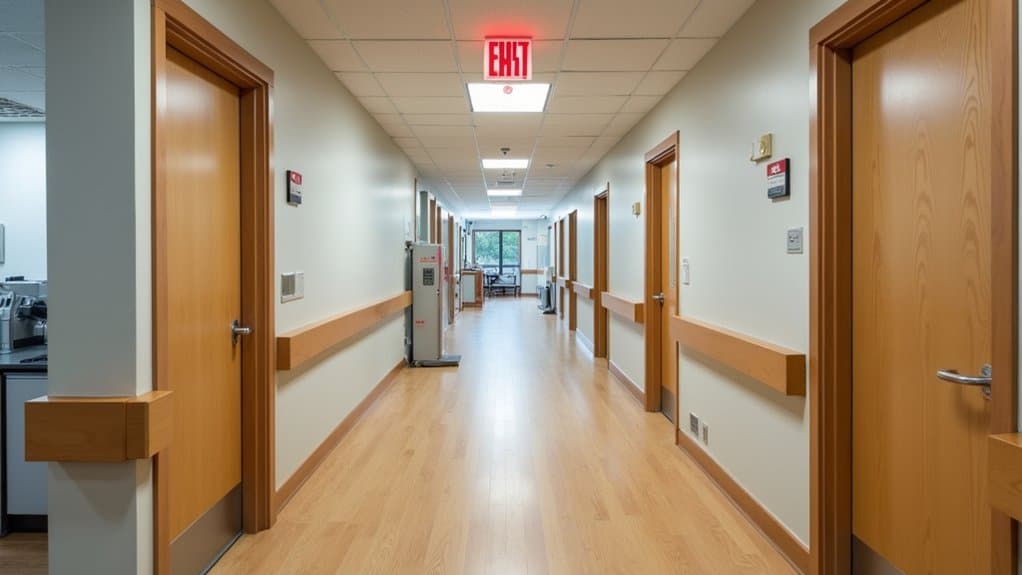
When you’re searching for a sober living home, the physical environment matters more than you might realize. A quality facility meets local building, fire, and housing codes while maintaining structural integrity that keeps you safe. You’ll find the home has proper occupancy certification and presents an aesthetic appearance consistent with its neighborhood.
Beyond basic compliance, you should expect functional environmental controls throughout the facility. This includes working smoke detectors, carbon monoxide detectors, and accessible fire extinguishers. Exit doors are clearly marked for emergency egress, and living spaces remain free of combustible clutter. Quality homes also prohibit firearms and illegal activities on the property to maintain a secure recovery environment.
The facility must also comply with Americans with Disabilities Act requirements, ensuring accessibility for all residents. Garages and temporary structures aren’t used as sleeping quarters, only properly designated, code-compliant bedrooms serve that purpose. Since licensing requirements vary by state, city, and county, you should verify that any facility you consider has obtained all necessary permits and clearances for operation in its specific location.
Strict Substance-Free Environment and Testing Protocols
You’ll find that maintaining a substance-free environment requires clear zero-tolerance drug policies that leave no room for ambiguity about expectations. Random drug testing procedures serve as both accountability measures and early intervention tools, with facilities using urine screens, breathalyzers, and oral fluid tests to detect alcohol, opioids, amphetamines, and other substances. Quality homes document drug testing rules in their resident handbook and ensure all residents read and sign these policies during intake. This accountability structure matters because relapse by one resident can potentially trigger relapse in others living in the same environment. Proper medication management guidelines guarantee that prescribed treatments support your recovery while preventing misuse or diversion within the home.
Zero Tolerance Drug Policies
Zero tolerance drug policies stand as the cornerstone of any legitimate sober living home, creating the foundation upon which all other recovery support rests. These policies completely prohibit the use, possession, or distribution of alcohol, illicit drugs, and mood-altering substances both on and off the property.
You’ll sign intake contracts acknowledging these rules before move-in, and you’ll consent to property searches when staff suspect violations. Substance abuse monitoring includes mandatory screening through urinalysis, saliva tests, and breathalyzers as a standing condition of your residency, not just when problems arise. Even prescription medications must be approved by staff and stored securely in a locked safe to prevent misuse or diversion within the house.
If you violate these policies, resident relocation procedures typically require immediate departure. This protects everyone’s recovery environment and preserves the sense of belonging that residents depend on to overcome addiction. Refusing tests or searches carries the same consequences as a positive result, ensuring accountability throughout the community.
Random Drug Testing Procedures
Random drug testing serves as both a safety mechanism and an accountability tool that reinforces your commitment to recovery while protecting the entire household’s sobriety.
Quality programs typically combine scheduled and random testing, often using urine screens that detect 70+ substances including alcohol metabolites like EtG/EtS. You’ll encounter sample collection protocols that may include observed testing and adulterant detection to guarantee accurate results. Most facilities use multi-panel dip cards for routine screening while reserving lab-based confirmatory testing when initial results require verification against established lab screening thresholds.
You should expect clear written policies outlining testing frequency, randomization methods, and consequences for positive results. Staff may test you at any time, particularly following behavioral concerns. Refusal or inability to provide samples within specified timeframes typically counts as a failed test. This structured approach supports early detection of relapse, allowing staff to intervene with appropriate support before a full return to substance use occurs. Consequences for positive results are clearly defined and may include increased monitoring, mandatory counseling, or eviction from the home.
Medication Management Guidelines
Beyond testing protocols, how you manage prescribed medications directly impacts both your recovery and the safety of everyone in the house. Quality sober living homes require full disclosure of all medications, including over-the-counter and herbal products, at intake and whenever prescriptions change.
You’ll store controlled substances in locked containers, and staff conduct regular dosage reconciliation to detect discrepancies. Medication monitoring includes scheduled inventory checks and documentation of any missing doses. It’s important to note that no Suboxone or Methadone is allowed in most quality sober living environments, though some facilities may grant exceptions for Methadone on a case-by-case basis.
| Requirement | Your Responsibility | House Protocol |
|---|---|---|
| Disclosure | Report all medications immediately | Verify with prescriber |
| Storage | Use assigned locked container | Weekly inventory counts |
| Administration | Self-manage per prescription | Staff observe and document |
Sharing, borrowing, or trading medications constitutes a serious violation equivalent to substance use, often resulting in discharge. If you have concerns about medication policies or believe you’ve been unfairly restricted, you can email the site owner or facility administrator to discuss the situation and seek clarification. This structure protects your recovery while maintaining community safety.
Clear House Rules and Daily Operational Structure
When you’re moving from treatment to independent living, a structured environment provides the stability you need to maintain your recovery. Quality sober living homes enforce clear expectations, including maintaining a drug and alcohol-free environment, adhering to curfews, and participating in regular drug testing.
Daily operations follow predictable routines that reinforce healthy habits. You’ll wake at designated times, attend morning check-ins, and complete assigned tasks. Equitable chore assignments rotate among residents, often pairing newcomers with experienced members to build accountability and connection. These responsibilities foster discipline and accountability that translate directly into successful independent living. Personal living spaces are subject to routine inspections to ensure cleanliness and compliance with house standards.
Scheduled communal activities strengthen your support network throughout the day. You’ll participate in house meetings, group therapy sessions, and evening reflections. Communal meals foster belonging, while dedicated personal time allows for journaling and goal-setting. This balanced structure helps you develop the discipline essential for lasting sobriety.
Financial Obligations and Payment Policies

Understanding the financial commitment of sober living helps you plan effectively for this critical phase of recovery.
Monthly costs typically range from $500 to $5,000, depending on location, amenities, and support services offered. Luxury homes may cost upwards of $2,000 per week for those seeking enhanced accommodations. You’ll want to explore multiple funding sources to cover these expenses:
- Personal resources: Savings accounts, employment income, or loans from family members can meet your financial obligations
- Payment assistance programs: HUD grants, Housing Choice Vouchers, and SAMHSA block grants provide housing support for qualifying residents
- Sliding scale fees: Many quality homes offer scholarship beds or income-based pricing to facilitate accessibility
Most health insurance plans don’t cover sober living expenses since these homes aren’t classified as formal treatment facilities. However, individuals in recovery from substance use disorders are protected under federal disability law when not currently using illegal substances, which may entitle them to reasonable accommodations in housing programs. Ask about accepted payment methods, application fees, and available financial assistance during your initial inquiry.
Resident Eligibility and Admission Criteria
Everyone seeking admission to a sober living home must meet specific eligibility criteria designed to protect both individual recovery and community wellbeing.
Recovery Documentation Requirements
You’ll need to provide tangible verification of 30, 60, or 90+ consecutive days of sobriety. Your recovery documentation requirements include proof of active substance use disorder treatment and a demonstrated commitment to remaining clean. The facility will evaluate your alignment with program goals during the intake process.
Active Attendance Policies
Quality homes enforce active attendance policies for recovery programming. You must show genuine intention to engage in ongoing treatment while maintaining independent living capabilities, handling daily activities like eating, dressing, and bathing without constant oversight. Facilities also require or strongly encourage continued involvement in outside recovery programming such as 12-step meetings or outpatient therapy.
Before admission, you’ll receive full disclosure of house rules, medication policies, and abstinence expectations. This transparency guarantees you’re making an informed commitment to your recovery journey.
Recovery Support and Participation Expectations
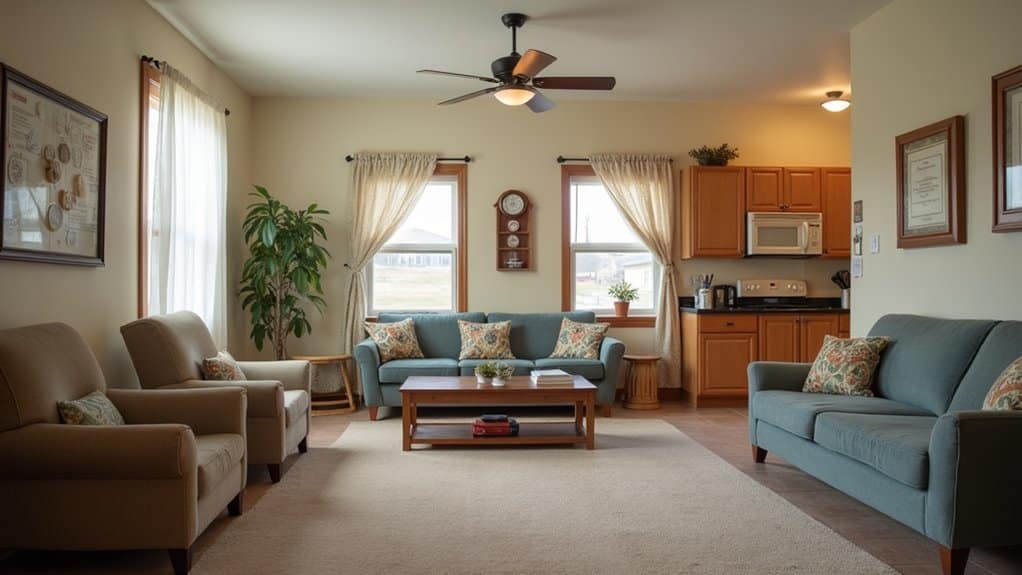
Three core elements define your daily experience in a sober living home: peer accountability, structured programming, and community engagement. You’ll find that the peer support culture creates natural opportunities to practice recovery skills alongside others who understand your journey.
Your participation in mutual support meetings isn’t optional, it’s essential. Research shows that exposure to a sober community dramatically enhances your long-term recovery outcomes.
What you can expect:
- Weekly recovery groups and resiliency sessions tailored to your person-driven recovery plan
- Community involvement activities including culturally congruent support groups
- Life skills development covering job readiness and personal responsibility
Senior residents and live-in managers serve as recovery role models, guiding you through challenges while fostering genuine belonging within the house community.
Governance Models and Ethical Staff Standards
When you’re seeking a sober living home, you’ll want to understand how staff abstinence requirements protect the recovery environment you’re entering. Ethical boundaries and confidentiality standards guarantee that house managers and recovery coaches maintain professional relationships while safeguarding your personal information. These protections create the trust and safety you need to focus fully on your recovery journey.
Staff Abstinence Requirements
Because sober living homes rely on staff to model recovery principles, abstinence requirements form a cornerstone of ethical governance. You’ll find that quality programs mandate sobriety for all staff during work hours, while those in recovery must maintain continuous abstinence. These standards extend beyond alcohol and illicit drugs to include prescription misuse.
When evaluating a home’s approach, consider these key indicators:
- Written policies clearly define abstinence expectations, testing procedures, and disciplinary consequences for violations.
- Consistency of application guarantees rules apply equally to employees, volunteers, and peer leaders.
- Relapse responsive approaches outline whether the program uses zero-tolerance removal or allows monitored return after treatment engagement.
You deserve transparency about how staff accountability works. Strong governance means predetermined consequences replace arbitrary decisions, protecting your recovery environment.
Ethical Boundaries and Confidentiality
Although staff abstinence policies establish behavioral expectations, ethical boundaries and confidentiality protections form the structural framework that guarantees your dignity and autonomy within a sober living environment.
Quality homes maintain written policies prohibiting romantic, financial, or exploitative relationships between staff and residents. House managers receive clear guidance separating administrative authority from peer support functions, reducing coercion risks. Gifts, loans, and business transactions between staff and residents are typically restricted.
Client privacy protections require secure storage of your intake forms, drug testing records, and incident reports. Staff won’t share your recovery status with neighbors, employers, or family without written consent. Social media policies prevent posting identifiable information about residents.
When concerns arise, ethical reporting procedures ensure you can file grievances without retaliation. Documentation requirements and supervisor consultation protect against boundary violations.
Community Relations and Neighborhood Accountability
A sober living home’s success depends not only on what happens inside its walls but also on how it integrates into the surrounding community. Quality homes prioritize fostering community goodwill through proactive engagement and clear accountability standards. When you’re evaluating a residence, look for these indicators of strong neighborhood relations:
- Responsive complaint protocols, Staff address neighbor concerns within 12 hours and provide responsible party contact information upon request.
- Behavioral expectations, House rules prohibit excessive noise, loitering, and disruptive conduct that could affect surrounding residents.
- Community contribution, Residents participate positively in neighborhood life, reinforcing recovery skills while building local support.
Addressing neighbor concerns promptly demonstrates organizational integrity. Homes that maintain these standards reduce stigma and create sustainable environments where recovery thrives alongside community acceptance.
Frequently Asked Questions
Can I Bring My Pet to a Sober Living Home?
Whether you can bring your pet depends on each home’s specific animal policies. Many sober living homes have pet restrictions due to shared spaces, allergies, and maintaining a focused recovery environment. However, some homes evaluate requests case-by-case. If you have a service animal or emotional support animal, you’re protected under fair housing laws. Contact homes directly about their requirements, you’ll typically need vaccination records, behavioral standards, and additional deposits.
How Long Can I Stay at a Sober Living Home?
Your length of stay typically ranges from 3 to 6 months, though many residents benefit from staying 6 to 12 months for stronger recovery outcomes. The sober living timeline isn’t usually fixed, you’ll progress based on your sobriety, goal completion, and readiness for independent living. Most homes require a minimum 30 to 90-day commitment, but you can often stay longer if you’re following house rules and continuing to grow in your recovery journey.
Are Sober Living Homes Covered by Insurance or Medicaid?
Most sober living homes aren’t covered by traditional insurance or Medicaid since they’re classified as intermediary housing rather than clinical treatment. When exploring insurance coverage details, you’ll find most policies exclude these residences due to lack of medical necessity classification. For Medicaid reimbursement options, some states like Maryland integrate certified recovery residences into waiver programs, though coverage typically applies to bundled services like case management, not room and board. You’ll likely pay out-of-pocket directly.
What Happens if I Relapse While Living in the Home?
If you relapse while living in a sober home, you’ll likely face increased monitoring, drug testing, and possible discharge to protect other residents. Most homes recognize relapse signals a need for intervention, so they may require you to complete detox or higher-level treatment before returning. Some programs offer progressive discipline for first-time slips. You’ll typically need an updated recovery plan with more meetings, therapy, or sponsor contact as conditions for staying.
Can Couples or Families Live Together in Sober Living Homes?
Most sober living homes don’t accommodate couples living together, as single-gender separation is standard practice. However, parent/child arrangements exist as approved exceptions when minors need to stay with their parents. In coed homes, you’ll find clearly separated living quarters with private spaces for each gender. You’ll share responsibilities with other residents while maintaining appropriate boundaries. If you’re seeking family-friendly options, ask providers specifically about their parent/child home availability.