






A sober living house and a group home differ mainly in clinical intensity and who they serve. Sober living housing is a substance-free residence for people who have completed detox or inpatient treatment, built around peer support, house rules, and accountability rather than medical care, with residents free to work or attend school. A group home provides 24-hour professional supervision, psychotherapy, and daily assistance for people managing mental or emotional health needs. Cost differs accordingly: sober living generally runs $300 to $2,000 per month, while group homes are more often covered by insurance or state funding because they deliver clinical services. The practical rule is that clinical need points toward a group home and substance use recovery after treatment points toward sober living.
Key Takeaways
- Group homes provide 24-hour professional supervision and clinical care, while sober living houses emphasize peer support with less constant oversight.
- Sober living houses cost $300 to $2,000 monthly out-of-pocket, whereas group homes are often covered by insurance or state funding.
- Sober living houses require completed detox or inpatient rehab, while group homes serve those with specific mental or emotional health needs.
- Group homes offer psychotherapy, life skills support, and ongoing monitoring; sober living houses provide substance-free, community-oriented transitional living.
- Choose a group home for clinical assistance needs and a sober living house for substance use recovery support.
Group Homes and Sober Living Houses Compared
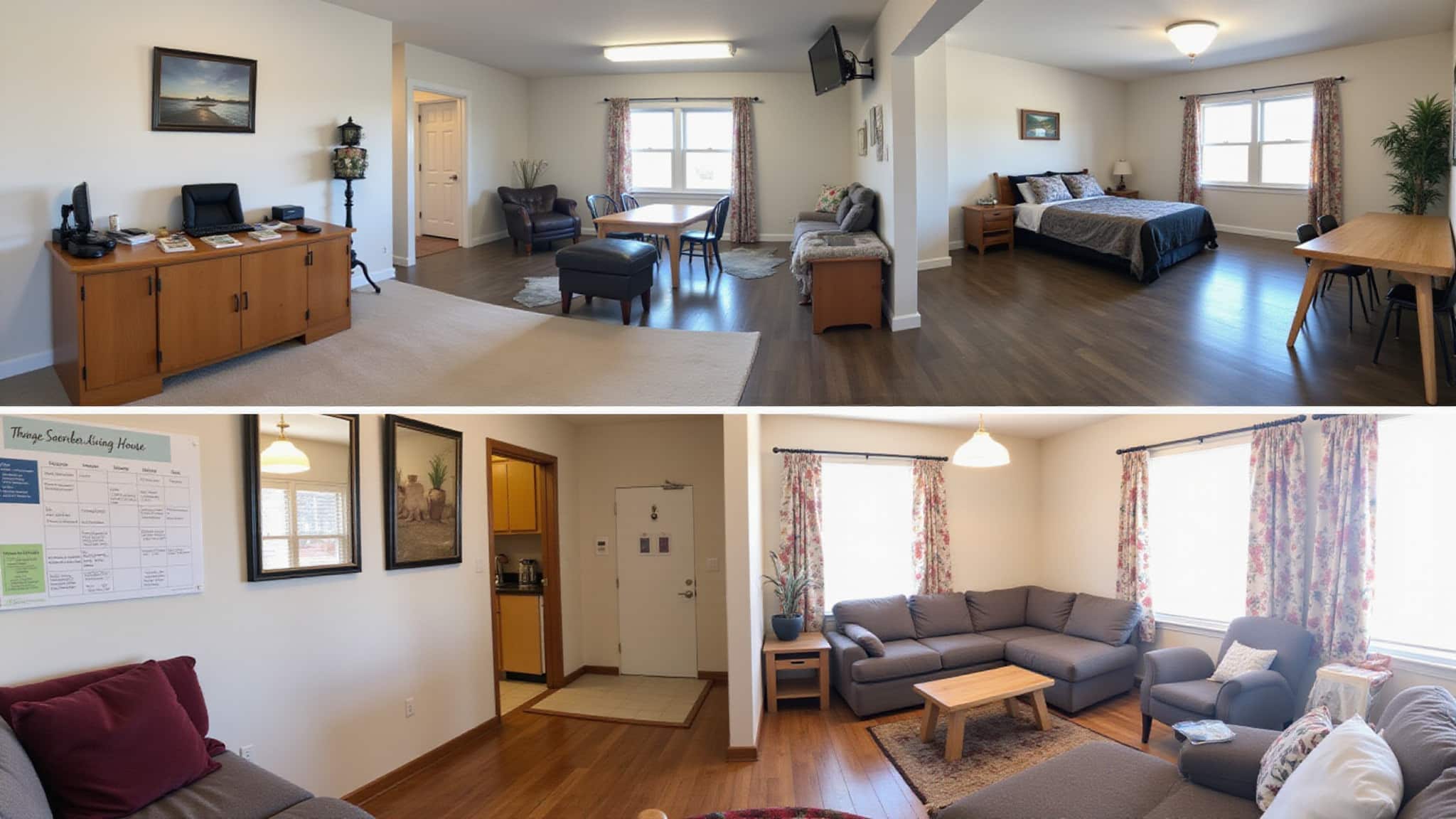
Sober living houses and group homes serve different purposes, though both offer supportive residential environments. The distinction comes down to clinical intensity and target need. Group homes provide 24-hour professional supervision, psychotherapy, and specialized support for people managing mental health symptoms or requiring daily assistance with life skills. Sober living houses, by contrast, function as recovery housing for individuals who’ve completed detox or inpatient rehab, emphasizing peer support over medical treatment.
You’ll find group homes deliver coordinated clinical services in a home-like setting, while sober living homes offer a flexible, peer-led structure guided by house managers. Understanding these differences helps you choose the environment that matches your recovery goals and health needs.
What is a group home and who does it serve
A group home is a residence that provides 24-hour professional supervision, psychotherapy, and specialized support for people managing specific health needs in a home-like setting. Unlike a sober living house, which emphasizes peer support and transitional living for substance use recovery, a group home delivers continuous clinical care without isolating you from the wider community.
These homes serve individuals who need daily assistance with mental and emotional health, life skills, and relationship management. If you’re managing mental health symptoms or require coordinated, intensive services, a group home meets those needs directly.
Residents often share rooms and communal facilities like bathrooms and kitchens while receiving ongoing professional monitoring. The goal is direct: help you live a productive, healthy life through specialized care tailored to your specific circumstances.
What is a sober living house and who does it serve
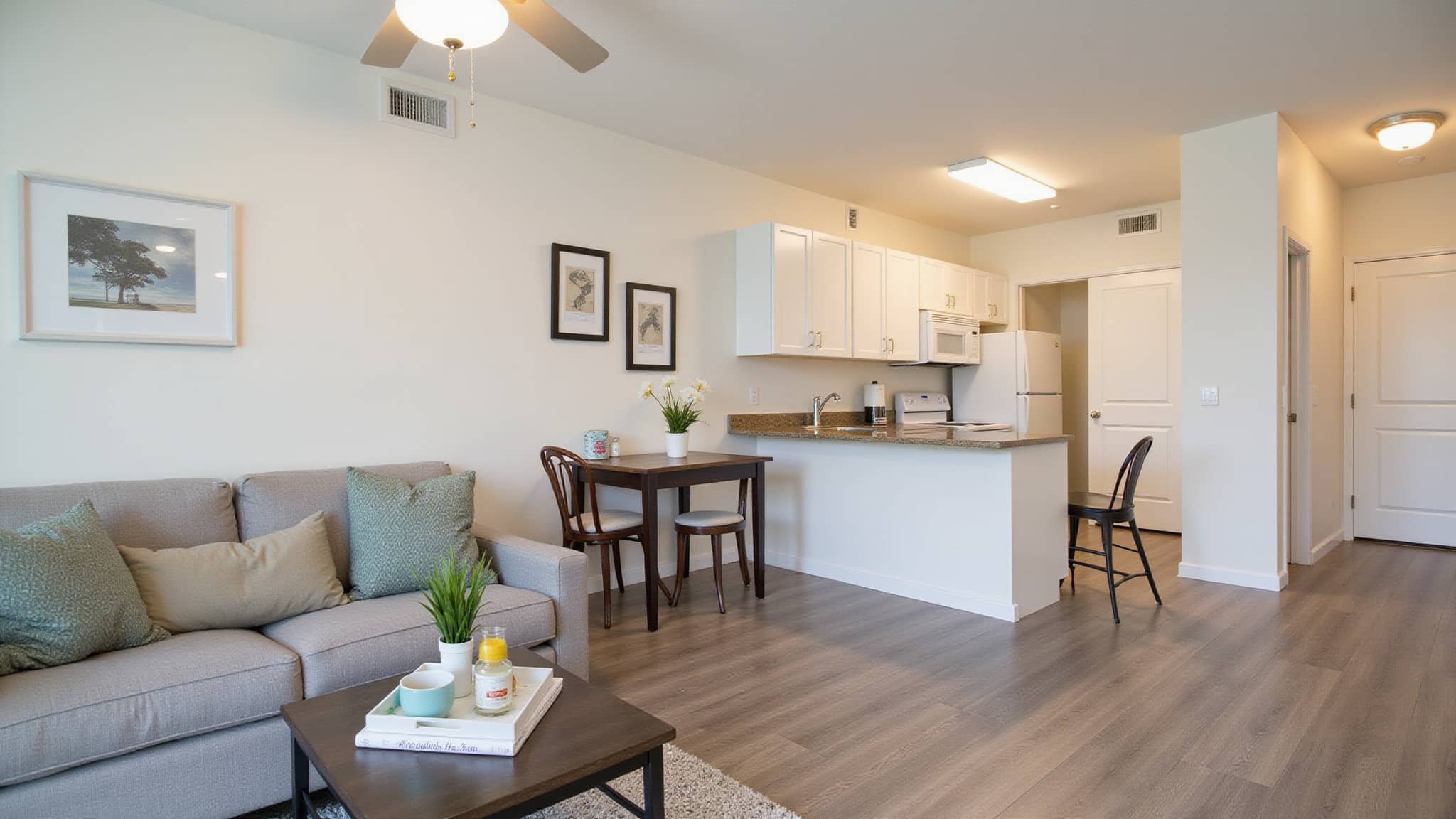
A sober living house is a privately operated, substance-free residence that helps you maintain recovery after completing detox or inpatient rehab. Instead of medical treatment, you’ll find peer support, house managers, and a flexible, community-oriented structure that bridges the gap between inpatient care and independent living.
If you’re recovering from a substance use disorder, this environment expects you to stay proactive. You can hold a job, leave for work, and attend social functions with approved passes. Most homes house same-sex residents and require you to finish a formal treatment program first.
Evidence supports this model: after two years, residents show lower substance use, fewer arrests, and stronger employment and stability outcomes.
How do group homes and sober living houses differ in cost, rules, and support
Group homes and sober living houses differ in cost, rules, and support in ways that directly affect your care. If you’re in a sober living house, you’ll typically pay rent out-of-pocket, generally $300 to $2,000 monthly, though coverage varies by operator and some accept commercial insurance plans. Group homes more often draw on insurance, state funding, or healthcare programs because they deliver clinical services.
| Sober Living House | Group Home |
|---|---|
| Peer-led, flexible structure | 24-hour professional supervision |
| No mandatory on-site staff | Psychotherapy as daily routine |
| Same-sex, post-treatment residents | Residents with specific health needs |
Sober living rules emphasize accountability without constant oversight, letting you work and attend outside functions. Group homes provide continuous monitoring and coordinated support for mental and emotional health needs, meeting you where clinical assistance matters most.
What are the eligibility and admission requirements for each

Eligibility and admission requirements differ between sober living homes and group homes. If you’re seeking a sober living home, you’ll typically need to complete detox or a formal inpatient treatment program first, though some operators admit people transitioning from other circumstances. These residences cater specifically to individuals recovering from substance use disorders, and most house only same-sex residents to maintain a focused, supportive environment.
Group homes have different criteria. You’ll qualify if you have specific health needs, including mental or emotional health symptoms, and require daily assistance with life skills or relationship management. Admission here centers on clinical need rather than recovery stage.
These distinctions help you choose appropriately. Sober living demands proactive commitment to recovery, while group homes offer continuous professional support for those needing coordinated, specialized care.
How do you decide between a group home and a sober living house
Choose based on what kind of support you need. If you’re recovering from a substance use disorder and have completed detox or inpatient rehab, a sober living house fits best. You’ll get peer support, flexibility to work, and no set end date, but you’re expected to stay proactive without on-site clinical staff.
If you’re managing mental health symptoms or need help with daily living skills, a group home makes more sense. You’ll receive 24-hour professional supervision, psychotherapy, and coordinated care tailored to specific health needs.
Consider your funding too. Group home costs are often covered by insurance or state programs, while sober living more commonly involves rent paid directly, with coverage depending on the operator. Match the setting to your recovery goals and clinical needs.
Conclusion
The comparison above treats these as two fixed options, but most people move between levels of support rather than picking one and staying. Someone may leave a group home once mental health symptoms stabilize and move into sober living housing for the substance use side, or start in sober living and step up temporarily when something destabilizes. Neither direction is a failure. Treating support as a dial rather than a label makes it easier to adjust early, before a small problem becomes the reason for an emergency move.
One practical point the comparison misses. What makes sober living work is not the category but the specifics of the house: house managers who know the residents, clear written expectations from day one, a real plan for what happens if someone struggles, and a community that has been together long enough to notice when something changes. Those are the things worth asking about when you visit, and a well-run house answers them readily. The model works, and it works best where those pieces are in place.
Start Fresh in a Home Built for Recovery
Finding a sober living home that truly supports your growth can shape everything about the months and years ahead. At DJ Housing in Newfoundland, NJ, our welcoming team offers dependable Sober Living Housing with community, structure, and 24/7 support that keeps you moving forward. Call +1 973-397-5978 today and see how our home can support your recovery.
Frequently Asked Questions
How long do people usually stay in sober living?
Most stays run several months to a year or more, and length is generally tied to readiness rather than a fixed term. Shorter stays are generally associated with weaker outcomes than longer ones, which is part of why houses without rigid time limits tend to work better. Leaving early is common and usually driven by cost or impatience rather than readiness. Discussing an intended length at move-in makes the decision less likely to be made impulsively.
Can I live in sober living while taking medication for opioid or alcohol use disorder?
Policies vary, and this is worth asking before applying. Medication-assisted treatment (MAT) using approved medications is a standard, evidence-based treatment for both opioid and alcohol use disorder, and residences that exclude people taking it are denying housing to people receiving legitimate medical care. Some houses still do. Asking directly whether a residence accepts residents on prescribed medication, and how prescriptions are stored, tells you quickly whether the operator’s practices are current.
What does a typical day look like in a sober living house?
Most days resemble ordinary life with added structure. Residents wake on a schedule, go to work or school, handle assigned household chores, and return by a set curfew. House meetings usually happen weekly and cover conflicts, chores, and residents coming or going. Drug and alcohol screening is typically random rather than scheduled. Evenings are generally free within curfew. The structure is deliberately light compared with treatment, since the point is practicing independent living rather than being managed.
What should I look for when choosing a sober living house?
A few things mark a well-run residence. State affiliate certification through recovery residence standards means the operator has agreed to be held to a code of conduct. A written resident agreement covering fees, rules, and grounds for discharge shows the house is organized and transparent from the start. Engaged house managers and a stable resident community matter as much as the physical space. Visiting in person and talking with people who live there tells you more than any listing, and good operators encourage exactly that.
What does the move-in process usually involve?
Most houses start with a short conversation about your situation, recovery history, and what you’re looking for, followed by a tour and an introduction to current residents. You’ll go over house rules, fees, and expectations, and sign a resident agreement covering all of it. Some houses ask for a deposit alongside first month’s rent. Good operators use this conversation to check fit in both directions, since a house that matches your circumstances works better than one that simply has a bed open.