






Inpatient rehab and sober living housing sit at different points in the same recovery path rather than competing with each other. Inpatient rehab provides 24-hour medical care and constant monitoring in a controlled setting, running 30 to 90 days, and is the right choice when medical stabilization or treatment for a co-occurring mental health condition comes first. Sober living housing comes after that, offering a substance-free residence with peer support, house rules, and accountability while residents work, attend school, and rebuild a daily routine. Stays average around 90 days but often run longer. Rehab costs more because it delivers clinical services; sober living is rent-based and generally more affordable. The question is usually which stage someone is at, not which model is better.
Key Takeaways
- Choose inpatient rehab when you need medical stabilization and round-the-clock professional care for substance use and co-occurring conditions.
- Choose sober living after completing formal treatment to maintain sobriety while reintegrating into work, school, or daily routine.
- Inpatient rehab is highly structured with scheduled therapies, while sober living offers flexibility to rebuild routine at a sustainable pace.
- Inpatient rehab typically lasts 30, 90 days; sober living stays average around 90 days but can span months to a year.
- Inpatient rehab costs more due to intensive medical services, while sober living is more affordable through rent-based fees.
How Sober Living Differs from Inpatient Rehab

Sober living differs from inpatient rehab in its core purpose. Inpatient rehab focuses on recovering from substance abuse through intensive, 24/7 medical care and constant monitoring within a controlled environment. It’s designed to help you achieve medical stability and address serious substance use disorders or co-occurring mental health conditions. Sober living, by contrast, supports life after that initial treatment, bridging your transition back to routine with peer support and far less intensive supervision.
Sober living and inpatient rehab serve different recovery stages. Residential treatment works on the root causes of your addiction, while sober homes maintain a sober lifestyle by offering a substance-free environment after you’ve completed formal treatment. Your choice depends on where you are.
What is inpatient rehab and how does it work
Inpatient rehab is intensive care for addiction, functioning much like an intensive care unit for substance use disorders. You admit yourself into a controlled environment where you receive round-the-clock professional care and constant monitoring. This level of support helps you achieve medical stability first, especially if you’re managing serious substance use disorders or co-occurring mental health conditions.
Inpatient rehab works like an intensive care unit for addiction, with round-the-clock care and monitoring that helps you achieve medical stability first.
Here’s what you can expect from inpatient rehab:
- 24/7 professional care with continuous supervision and support
- Highly structured days filled with scheduled therapies and activities
- Medical and guided treatment addressing the root causes of addiction
- Duration of 30 to 90 days, depending on your program
Understanding how inpatient rehab works helps you compare recovery options, including sober living, to determine what fits your needs.
What is sober living and how does it work
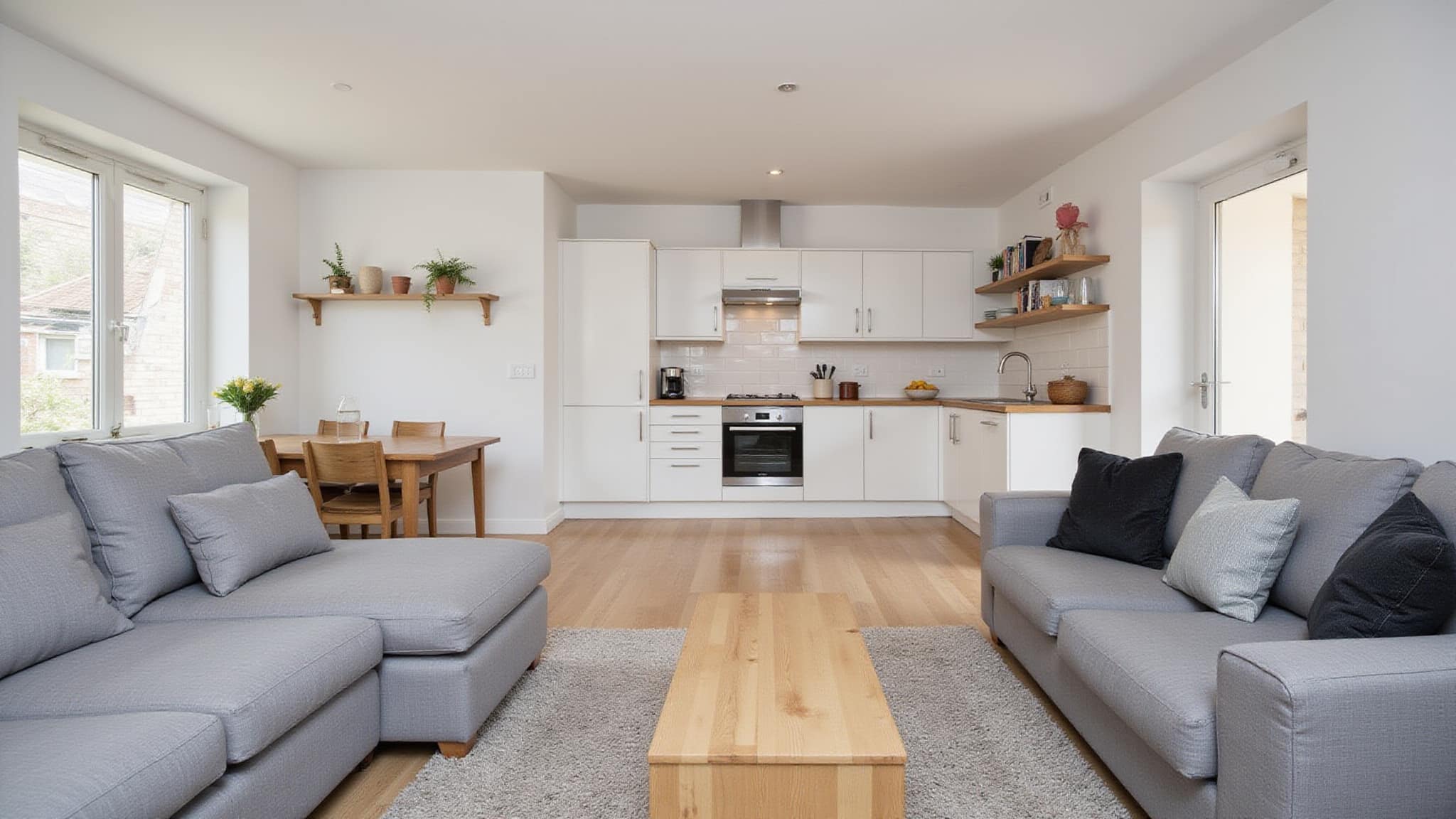
Sober living is a supportive housing arrangement that bridges the shift between structured rehab and everyday life. Most residents arrive after completing a formal addiction treatment program, though some operators also accept people transitioning from other circumstances. A sober home offers a substance-free environment where you maintain your sobriety while easing back into routine. You’ll live alongside peers who understand recovery, gaining support without the intensive, round-the-clock supervision that inpatient care provides.
Unlike rehab’s rigid schedule, sober living gives you flexibility. You can hold a job, attend school, or leave with approved day passes. In exchange, you’re expected to attend recovery meetings and house functions, staying accountable to your recovery.
Most residents pay rent rather than steep program fees, making it more affordable. Stays typically average around 90 days, though they vary widely based on your needs.
How do sober living and inpatient rehab compare on cost, structure, and duration
Sober living and inpatient rehab differ across three practical dimensions: cost, structure, and duration.
Cost is often your first consideration. Inpatient rehab tends to be more expensive because it includes intensive medical services and 24/7 professional care. Sober living is generally more affordable, since you’ll pay rent rather than high program fees.
| Dimension | Key Difference |
|---|---|
| Cost | Rehab costs more; sober living charges rent |
| Structure | Rehab is highly structured; sober living is flexible |
| Duration | Rehab lasts 30, 90 days; sober living spans months to a year |
Structure matters too. Rehab fills your days with scheduled therapies, while sober living lets you work, attend school, and rebuild routine, supporting your transition at a sustainable pace.
When should you choose sober living versus inpatient rehab
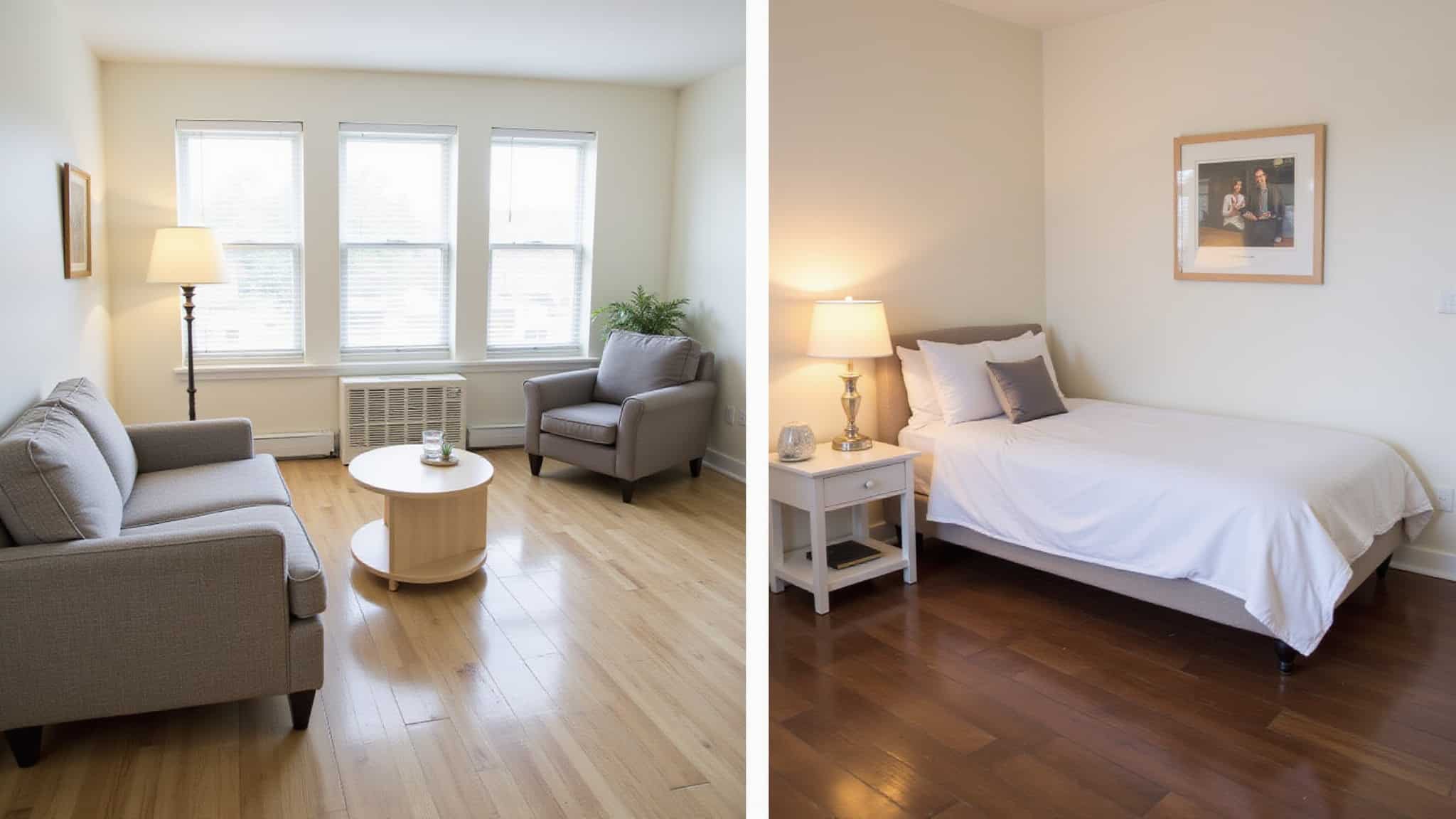
Choose inpatient rehab when you’re facing a serious substance use disorder or co-occurring mental health condition and need medical stability under 24/7 professional care, and choose sober living after you’ve completed a formal treatment program and want to maintain sobriety while shifting back to daily responsibilities.
Consider these factors when deciding:
Your recovery stage, medical needs, and daily responsibilities should guide whether inpatient rehab or sober living fits best.
- Choose inpatient rehab if you need medical stabilization or intensive, round-the-clock supervision.
- Choose sober living if you’ve completed rehab and want peer support during reintegration.
- Assess your recovery stage honestly, since needs shift over time.
- Match support to independence, balancing structure against work or school commitments.
Sober living gives you accountability and community while leaving room to hold a job, attend school, and practice the independence you’ll need long term. Your specific needs guide this decision.
How do you find the right level of care for your recovery
Finding the right level of care starts with an honest assessment of where you are in recovery and what you need to move forward. If you’re managing serious substance use, co-occurring mental health conditions, or you haven’t achieved medical stability yet, inpatient rehab’s 24/7 professional care gives you the structured foundation you need. After you’ve completed a formal treatment program, sober living helps you bridge the shift back to daily life while maintaining accountability in a substance-free environment.
Consider your recovery stage, your support system, and your practical obligations like work or school. Reflect on how much supervision you realistically require. Talking with a treatment professional can clarify your options, ensuring the care you choose matches your specific needs and current circumstances.
Conclusion
The comparison frames this as a choice, but the more consequential decision is usually what happens on the day inpatient treatment ends. Relapse risk is at its highest in the weeks immediately after leaving a controlled environment, because tolerance has dropped while cues, stress, and old routines return all at once. Someone going from constant supervision straight to an empty apartment absorbs that change with nothing in between. Sober living housing exists to make that step smaller, which is why arranging it before discharge rather than after matters more than most people expect.
One thing that gets lost in the cost comparison. Rehab is billed as treatment and sober living as rent, so they look like separate purchases, but the second one determines how much of the first holds. Treating aftercare as an optional add-on once the money is spent gets the sequence backward. Anyone planning treatment is better served budgeting for both from the start.
Start Fresh in a Home Built for Recovery
Finding a sober living home that truly supports your growth can shape everything about the months and years ahead. At DJ Housing in Newfoundland, NJ, our welcoming team offers dependable Sober Living Housing with community, structure, and 24/7 support that keeps you moving forward. Call +1 973-397-5978 today and see how our home can support your recovery.
Frequently Asked Questions
What sits between inpatient rehab and sober living?
Two levels fill that gap and often get skipped over. Partial hospitalization involves treatment most of the day, five or more days a week, with nights spent elsewhere. Intensive outpatient runs roughly nine to fifteen hours weekly across several sessions, leaving room for work. Both pair naturally with sober living housing, since residents get clinical hours during the day and structured housing at night. Many people step down through one of these rather than moving directly from inpatient care to independent living.
Why is overdose risk higher right after leaving treatment?
Tolerance drops during any period of abstinence, so a quantity that was previously routine can become dangerous after weeks without use. This is most pronounced with opioids and is the main reason the weeks following discharge carry elevated risk. Anyone leaving treatment should understand this before they go, and families often benefit from having naloxone available and knowing how to use it. This is a risk to plan around in advance rather than something to work out afterward.
How do I keep my job while doing inpatient treatment?
In the United States, eligible employees at covered employers can take unpaid, job-protected leave for treatment of a serious health condition, which includes substance use disorder treatment. Substance use disorder is also generally recognized as a disability under federal disability law when someone is in recovery and not currently using. The practical route is usually going through human resources or an employee assistance program rather than a direct manager. Consulting an employment attorney is worthwhile if the situation is complicated.
What should I ask a treatment program before admitting?
Useful questions include what happens at discharge and whether they help arrange housing, whether they treat co-occurring mental health conditions on site, whether they prescribe medication for opioid or alcohol use disorder, what the actual out-of-pocket cost will be after insurance, and what percentage of staff hold clinical licenses. Programs that answer these directly are generally more reliable than ones that redirect to a sales conversation. The discharge planning answer matters most, since that is where many people fall through.
Is going to rehab more than once a bad sign?
No, and the framing causes real harm. Substance use disorder behaves like other chronic conditions in which recurrence is common and treatment is adjusted rather than abandoned. Nobody describes a second course of treatment for high blood pressure as a failure. What matters is whether the second attempt is structured differently than the first, since repeating an identical approach without addressing what went wrong, often the absence of aftercare housing, tends to produce the same result.